Private aircraft accidents are often discussed in broad terms, but meaningful analysis requires a closer look at how accidents actually develop. In both general and business aviation, the most serious events usually reflect a chain of operational decisions, environmental conditions, procedural breakdowns, and system vulnerabilities rather than one simple cause. For attorneys, investigators, and aviation professionals, understanding that chain is essential when evaluating accident liability, causation, and the standards of care expected of professional aviation operations.
Several recurring patterns continue to appear across accident investigations: flawed pilot decision-making, inadequate weather assessment, loss of control, maintenance or systems-related issues, and gaps in training or risk management. Many of these factors also overlap with broader issues in corporate aviation safety management and how organizations manage risk across their flight departments.
For a detailed review of how these factors are evaluated in litigation, see our overview of aircraft accident investigation.
Pilot Decision-Making Remains a Central Factor
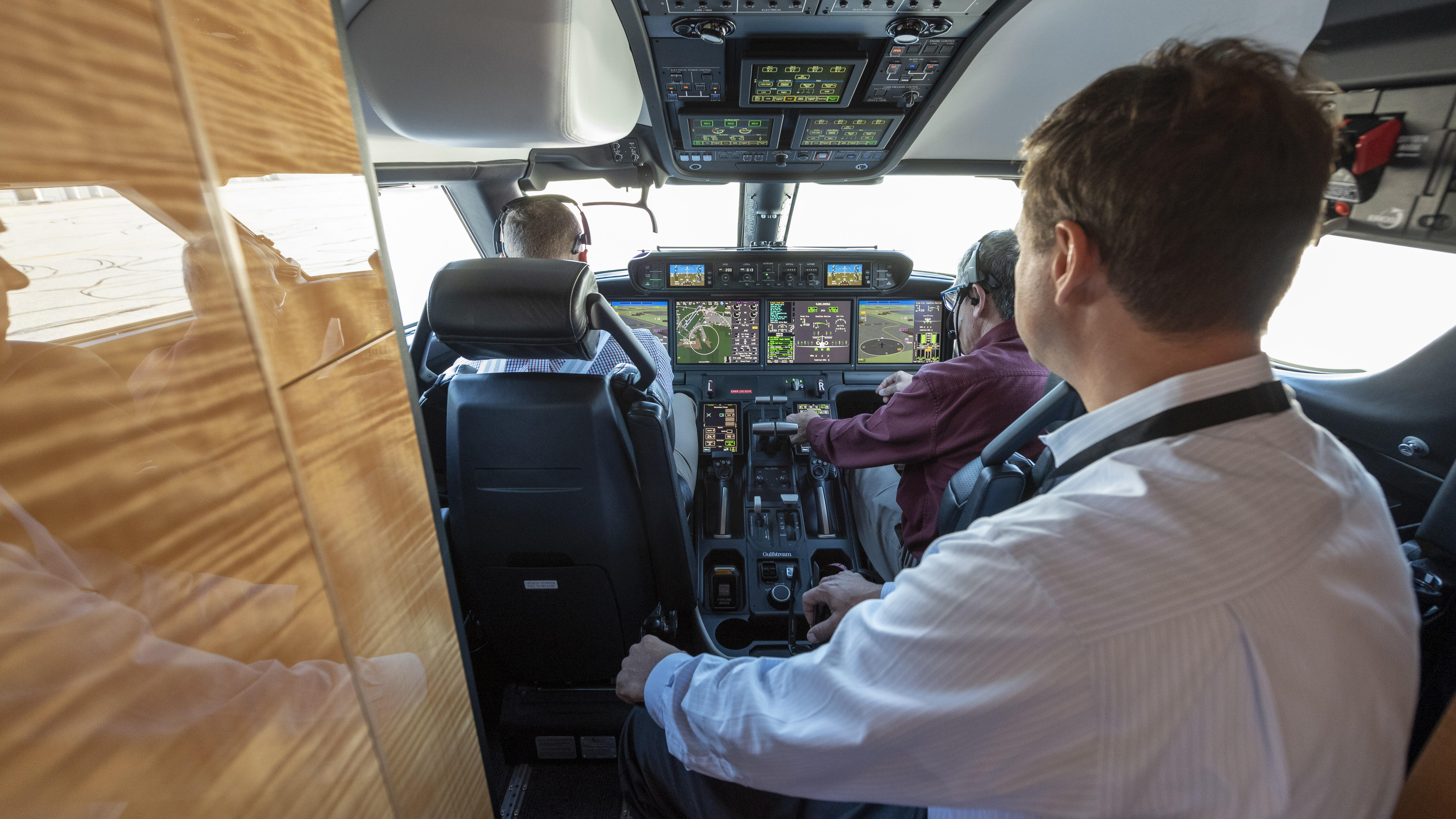
One of the most common accident contributors in private aviation is poor pilot decision-making. That phrase should not be treated as a vague catch-all. In technical terms, it often involves specific failures in risk recognition, procedural discipline, situational awareness, or go/no-go judgment. A pilot may continue into deteriorating weather, accept an unstable approach, depart with unresolved maintenance concerns, or press a schedule in conditions that call for delay or diversion.
In litigation and accident review, the key issue is not merely whether a pilot made an error, but whether that decision was reasonable in light of the available information, applicable procedures, and expected standards of care. This is central to evaluating pilot decision-making in aviation accidents and whether the flight was being conducted with the discipline expected of a professional operation.
Weather and Flight Planning Continue to Drive Preventable Accidents
Weather remains one of the most persistent hazards in private aircraft operations. Adverse weather by itself does not cause every accident; more often, the problem is inadequate planning, incomplete weather interpretation, or delayed operational response once conditions begin to change. Instrument meteorological conditions, icing, convective activity, low ceilings, and reduced visibility all demand disciplined preflight preparation and conservative in-flight judgment.
Many accidents occur when a pilot launches with a marginal understanding of the forecast, underestimates the operational impact of terrain or alternate availability, or fails to revise the plan as conditions evolve. The National Transportation Safety Board has repeatedly emphasized how weather, human factors, and operational decision-making intersect in accident investigations. The broader legal and operational framework for evaluating those decisions is covered in weather decision-making in aviation.
Loss of Control and Unstable Aircraft Handling
Loss of control in flight remains one of the most serious categories of private aircraft accidents. These events may develop during takeoff, climb, maneuvering flight, approach, or landing. Common contributing factors include excessive bank angle, airspeed mismanagement, improper trim or automation use, distraction, spatial disorientation, and failure to recognize a deteriorating energy state early enough to recover.
In many cases, loss of control is not the first problem in the sequence. It may instead be the final outcome after a pilot becomes task-saturated, flies an unstable approach, attempts a visual continuation in poor conditions, or improperly responds to abnormal aircraft behavior. This is why loss-of-control events often need to be examined within the broader context of aviation accident investigation, not simply as stick-and-rudder failures.
Aircraft Systems, Maintenance, and Mechanical Issues
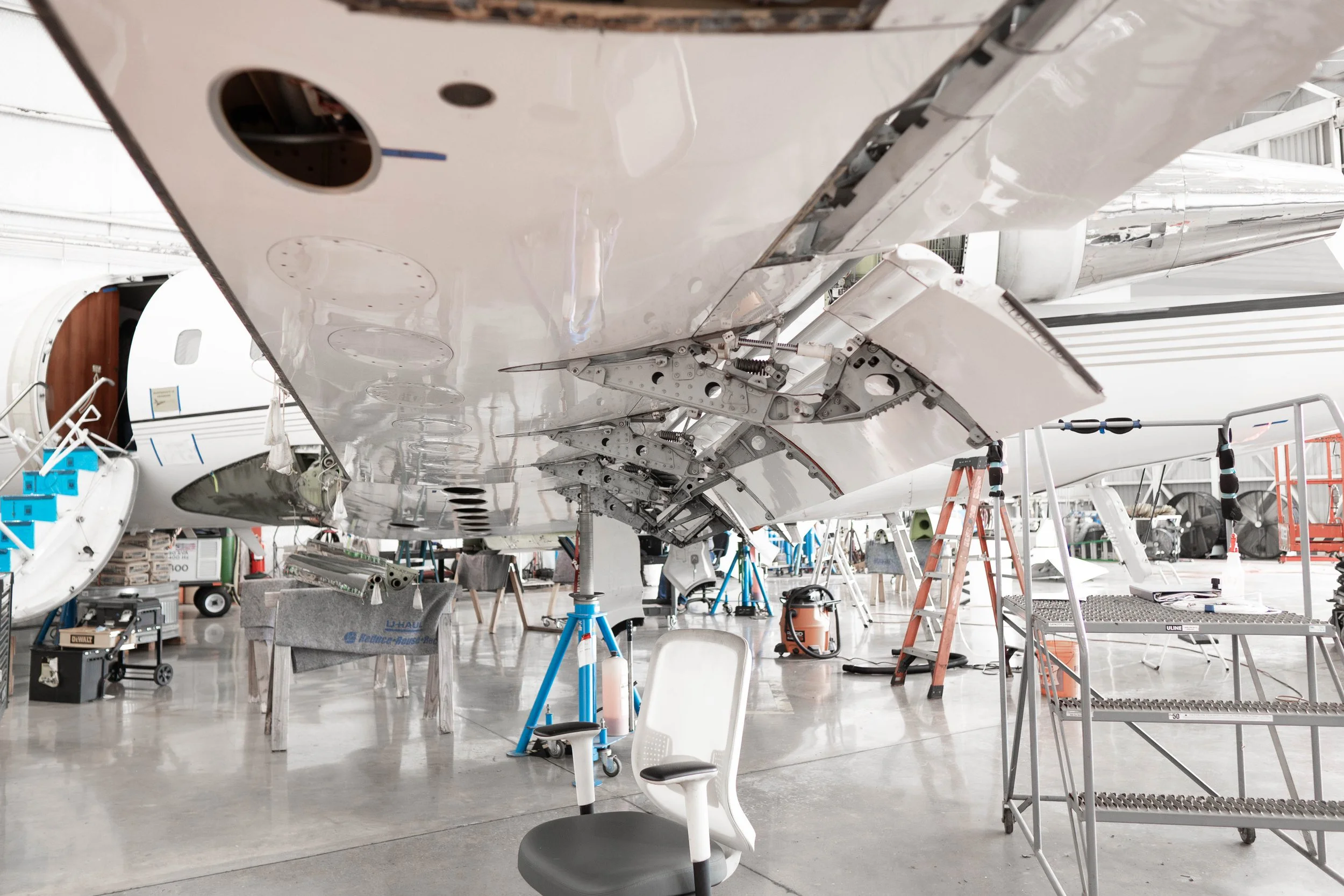
Mechanical failures do occur, but they are often misunderstood when viewed outside the maintenance and operational record. A systems-related accident may involve engine performance, flight controls, landing gear, avionics, pressurization, or other aircraft components. Yet the more probing question is whether the issue was sudden and unavoidable, or whether warning signs, deferred discrepancies, incomplete maintenance actions, or poor cockpit response played a role.
In private and business aviation, maintenance oversight is part of operational safety. Review of logbooks, inspection intervals, discrepancy history, and manufacturer guidance is often necessary to determine whether the aircraft was being managed in a manner consistent with sound practice. This is especially relevant in matters involving FAA regulatory compliance, where maintenance documentation and airworthiness records are essential components of any thorough accident review.
Training, Proficiency, and Risk Management Gaps
Another recurring factor is insufficient proficiency. A pilot may be legally current yet operationally underprepared for a demanding aircraft, unfamiliar route structure, advanced avionics environment, or abnormal procedure. Training gaps are especially significant when pilots transition into more capable aircraft without developing matching judgment, systems knowledge, or scenario-based experience.
Strong safety performance depends on more than basic qualification. It requires recurrent training, procedural standardization, credible risk assessment tools, and a culture that supports conservative decision-making. In expert review, identifying whether adequate training and risk management processes were in place is often as important as analyzing the accident sequence itself.
Conclusion
The most common causes of private aircraft accidents are rarely isolated to one event or one mistake. More often, accidents develop when pilot judgment, weather exposure, aircraft condition, operational pressure, and proficiency limitations combine in a way that reduces available safety margins.
For attorneys, investigators, journalists, and aviation professionals, the most useful analysis is one that evaluates the entire operational picture rather than searching for a single obvious cause. That broader perspective is essential in expert review and in understanding how aviation accidents actually happen.
Need Aviation Expert Analysis?
If you are evaluating an aviation matter involving accident causation, pilot decision-making, FAA compliance, or operational risk, AeroVerdict provides expert aviation analysis for attorneys and legal teams.
Request an Expert Case Review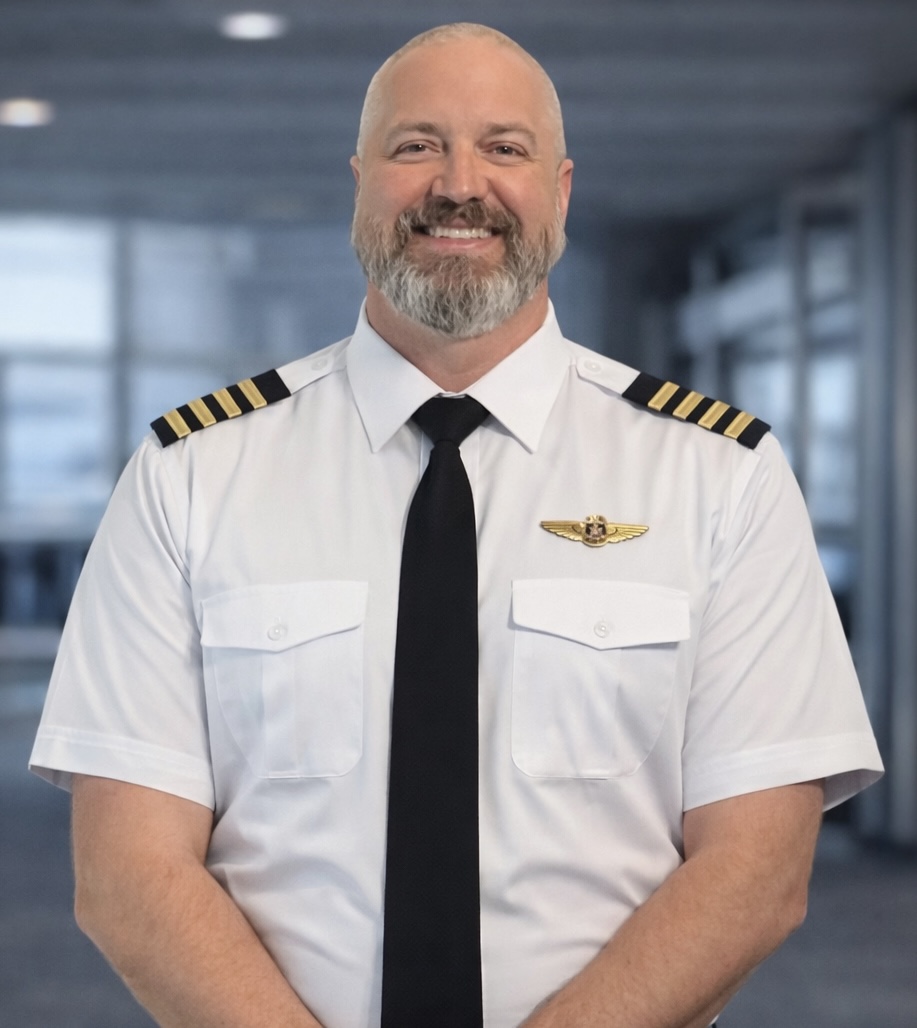
About the Author
Kevin Alvarez
Kevin Alvarez is an ATP-rated Chief Pilot and aviation expert witness with experience in corporate aviation operations, pilot decision-making, FAA compliance, and aviation accident analysis. Through AeroVerdict, he provides expert witness and consulting services for attorneys and legal teams.
Full Bio