When a conventional aircraft accident occurs, the analytical framework is well-established. There is a type certificate. There are airworthiness directives. There is a defined regulatory structure governing how the aircraft was maintained, how the crew was trained, and what standards the operator was required to meet. Expert analysis follows a known path. eVTOL accidents are different. The regulatory framework is still being written, the certification structures are still being tested, and the liability chains that attorneys will need to evaluate in these cases are more complex than anything conventional aviation litigation has required. Attorneys who understand this now are in a position to retain the right experts, build the right discovery strategy, and avoid the gaps that will define early eVTOL litigation outcomes.
This is not a theoretical problem. eVTOL aircraft are operating in commercial contexts today under interim regulatory approvals, special airworthiness certificates, and emerging Part 135 frameworks. Accidents will happen. Some already have. The question is not whether eVTOL liability cases are coming. It is whether the attorneys handling them understand what they are evaluating.
What Makes eVTOL Different from Conventional Aviation
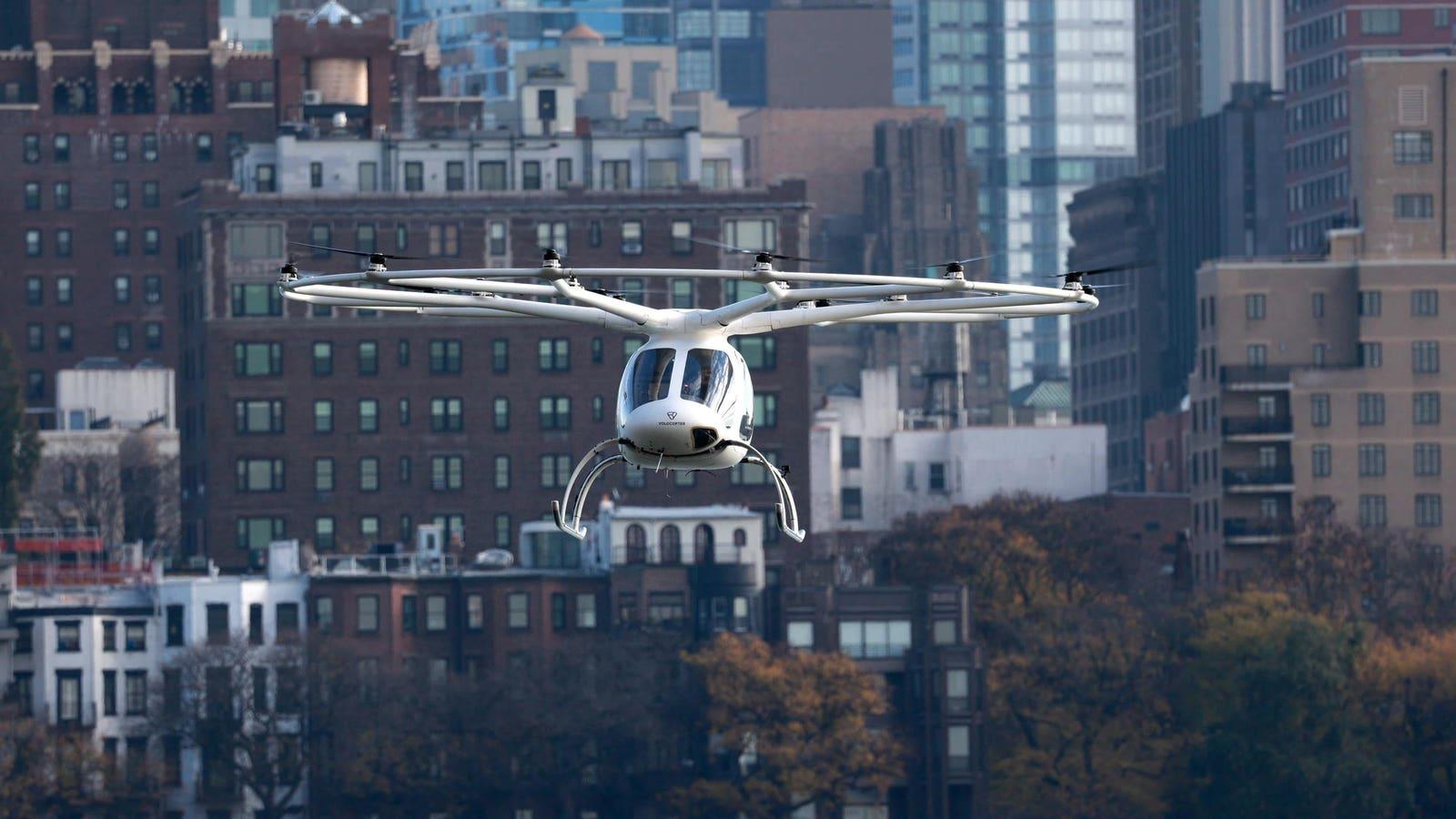
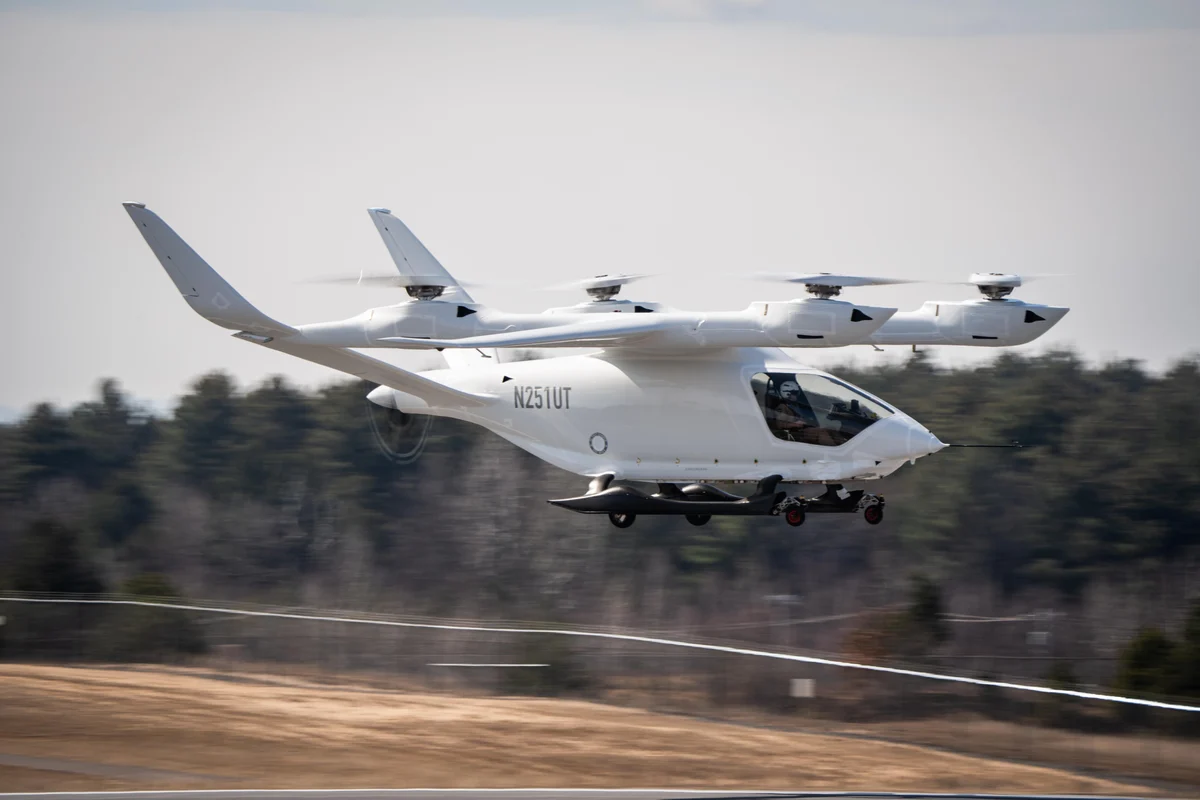
The term eVTOL covers a broad range of aircraft designs, but they share several characteristics that distinguish them operationally and legally from conventional fixed-wing aircraft and helicopters. They are electrically powered, typically using distributed propulsion systems with multiple motors and rotors. Many are designed for highly automated or semi-autonomous operations, with flight control systems that manage stability, power distribution, and navigation with limited pilot input. Some are designed for fully autonomous operation with no onboard pilot at all.
These characteristics create liability exposure that does not map cleanly onto existing aviation tort doctrine. Product liability in conventional aviation generally involves a defined airframe manufacturer, a defined engine manufacturer, and a defined avionics chain. eVTOL product liability involves airframe structure, battery and energy storage systems, distributed electric propulsion, flight control software, sensor arrays, and, in some designs, remote command and control links. When something goes wrong, the causal chain can run through any of these systems, and the responsible parties may include manufacturers, software developers, battery suppliers, and operators who configured or updated the system.
The Certification Gap: Why Type Certificate Status Defines the Case
In conventional aviation, a type certificate establishes the design standard against which the aircraft must be built and maintained. An airworthiness determination for a specific aircraft can be measured against that standard. Deviation from type is meaningful. Compliance with type is a defense. The type certificate is the legal anchor that makes product liability analysis tractable.
eVTOL aircraft occupy a more complicated position. The FAA has developed new airworthiness criteria for these aircraft under special class and powered-lift certification pathways, and a number of manufacturers have received or are actively pursuing type certification. But the certification basis for each aircraft is negotiated individually with the FAA, and the standards applied are not uniform across the industry. For attorneys, this means that the product liability analysis in an eVTOL case must begin by establishing exactly what certification standard applied to the specific aircraft, what that standard required, and how the aircraft's design and maintenance measured against it.
What Special Class Certification Means for Liability Analysis
Many eVTOL manufacturers have pursued type certification under pathways that allow the FAA to establish airworthiness criteria tailored to novel aircraft that do not fit existing categories. This approach gives the FAA flexibility to create aircraft-specific standards, but it also means that the standards for one manufacturer's aircraft may differ significantly from those applied to a competitor's. When an accident occurs, establishing the applicable standard is a threshold legal question — and one that requires an expert who understands how the FAA's powered-lift and special class certification processes work in practice.
Aircraft Under Experimental or Special Airworthiness Certificates
Some eVTOL aircraft currently operating commercially do so under experimental airworthiness certificates or special airworthiness certificates in the light-sport or research categories. These aircraft have not completed type certification. This changes the product liability analysis significantly. The manufacturer's obligations under an experimental certificate are different from those under a type certificate, and the operator's responsibility for the aircraft's airworthiness shifts accordingly. Attorneys who do not distinguish between these certification statuses at the outset of discovery risk building a liability theory on the wrong foundation.
Product Liability in eVTOL Accidents: A Multi-Party Chain
In a conventional fixed-wing accident, the product liability defendant list is usually manageable: airframe manufacturer, engine manufacturer, avionics manufacturer, and, where applicable, an MRO provider. The systems are physically discrete and the failure modes are established. eVTOL product liability is structurally different, and the difference matters for how attorneys build their case theory.
Airframe Structure and Structural Integrity
eVTOL airframes often incorporate unconventional structural configurations to support distributed lift systems and lightweight construction for battery efficiency. Structural failures in these aircraft can reflect design defects, manufacturing defects, or the combined effect of operational loading that was not fully anticipated in the original certification analysis. As with conventional aviation, aircraft accident investigation must establish whether the structural design was adequate, whether the manufacturing process produced a conforming article, and whether the operator's use remained within the certified envelope.
Battery and Energy Storage Systems
Battery system failures are one of the most significant and distinctive risk categories in eVTOL operations. Lithium-based battery systems are subject to thermal runaway, cell degradation over charge cycles, and failure modes that can produce rapid and catastrophic energy release. The battery system in an eVTOL is not a single component: it is a system of cells, modules, a battery management system, thermal management hardware, and charging infrastructure, each of which may come from a different supplier. When battery system failures contribute to an accident, identifying the responsible party in the supply chain is an early and critical step in the liability analysis.
Flight Control Software and Autonomy Systems
The flight control software in an eVTOL aircraft is not analogous to the autopilot in a conventional aircraft. In many designs, the software manages the entire flight envelope: distributing power across multiple motors, maintaining stability that the airframe alone cannot provide, and executing maneuvers that would be impossible through direct pilot control of individual surfaces. This creates a category of software-driven accident causation with no established precedent in aviation tort law. Who is responsible when the flight control software makes an incorrect decision? The software developer? The aircraft manufacturer who integrated the software? The operator who accepted a software update? These questions do not have settled answers.
Sensor Systems and Data Fusion
eVTOL aircraft typically rely on sensor arrays (accelerometers, GPS, radar altimeters, lidar, cameras) that feed data to the flight control system. Sensor failure or data fusion errors can result in the aircraft responding to conditions that do not exist or failing to respond to conditions that do. Attribution of these failures requires expertise in both avionics systems and software engineering, and the evidence needed to evaluate them is different from the flight recorder and cockpit voice recorder evidence that drives most conventional aviation accident investigations. Understanding how aviation accident investigations work in this context requires familiarity with new data sources and new analytical methods.
Operational Liability: Who Controls the Aircraft?
The operator liability question in eVTOL cases is not straightforward. In conventional Part 135 charter operations, the operator's obligations are clearly defined: the operator controls the aircraft, employs or contracts the crew, maintains the airworthiness records, and bears responsibility for regulatory compliance. In eVTOL operations, particularly those involving high automation or planned future autonomous operation, the operator's role may be fundamentally different.
The Pilot-in-Command Question in Highly Automated Operations
Many current eVTOL designs operate with a human pilot in command, but the level of automation means that the pilot's authority over the aircraft during normal operations may be limited. The FAA's pilot decision-making framework was developed for aircraft where the pilot has continuous and direct authority over control inputs. When the flight control system manages the aircraft within an automated envelope and the pilot's role is primarily to monitor and intervene in exceptional circumstances, the traditional analysis of pilot decision-making requires adaptation. Attorneys should not assume that existing case law on pilot authority applies without modification to eVTOL operations.
Remote Operations and Ground Control
Some eVTOL operators envision, and in limited contexts are already testing, operations where a ground-based pilot or remote operator monitors and commands the aircraft from outside the vehicle. This configuration creates additional liability exposure that does not exist in conventional aviation. Who bears pilot-in-command responsibility? What happens when a communication link fails? How does the duty of care analysis apply to a ground operator who is simultaneously monitoring multiple aircraft? These are open questions, and attorneys entering early eVTOL litigation will be operating without the benefit of settled doctrine.
FAA and Regulatory Considerations
The FAA has been actively developing the regulatory infrastructure for eVTOL commercial operations, but that infrastructure is incomplete. The agency has finalized new rules addressing powered-lift pilot certification and operations, and it has worked with manufacturers on individual certification bases for aircraft seeking type certificates. However, the operational framework for commercial air taxi operations, the business model that most eVTOL operators are building toward, continues to evolve.
For attorneys, the key regulatory questions are: What operational rules applied to this specific aircraft and this specific operator at the time of the accident? What airworthiness standard governed the aircraft's design and maintenance? Were there applicable airworthiness directives or special airworthiness information bulletins? What training standards applied to the flight crew? The answers to these questions define the regulatory compliance baseline against which the operator's and manufacturer's conduct must be measured. An expert with current FAA compliance and operational standards knowledge is necessary to establish this baseline correctly.
Part 135 Operations and the Air Carrier Framework
eVTOL operators conducting commercial passenger transport will generally be required to hold Part 135 certificates, and the operational requirements of that framework will apply. Corporate aviation operations under Part 91 and commercial charter under Part 135 carry different regulatory obligations, and the distinction matters in accident cases. Part 135 operators have affirmative duties regarding crew qualification, aircraft maintenance, and operational control that go beyond what Part 91 requires. Establishing whether a given eVTOL operation was properly certificated under Part 135, or whether it was operating outside the scope of its operating certificate, is a threshold question in many liability analyses.
Human Factors in eVTOL Operations
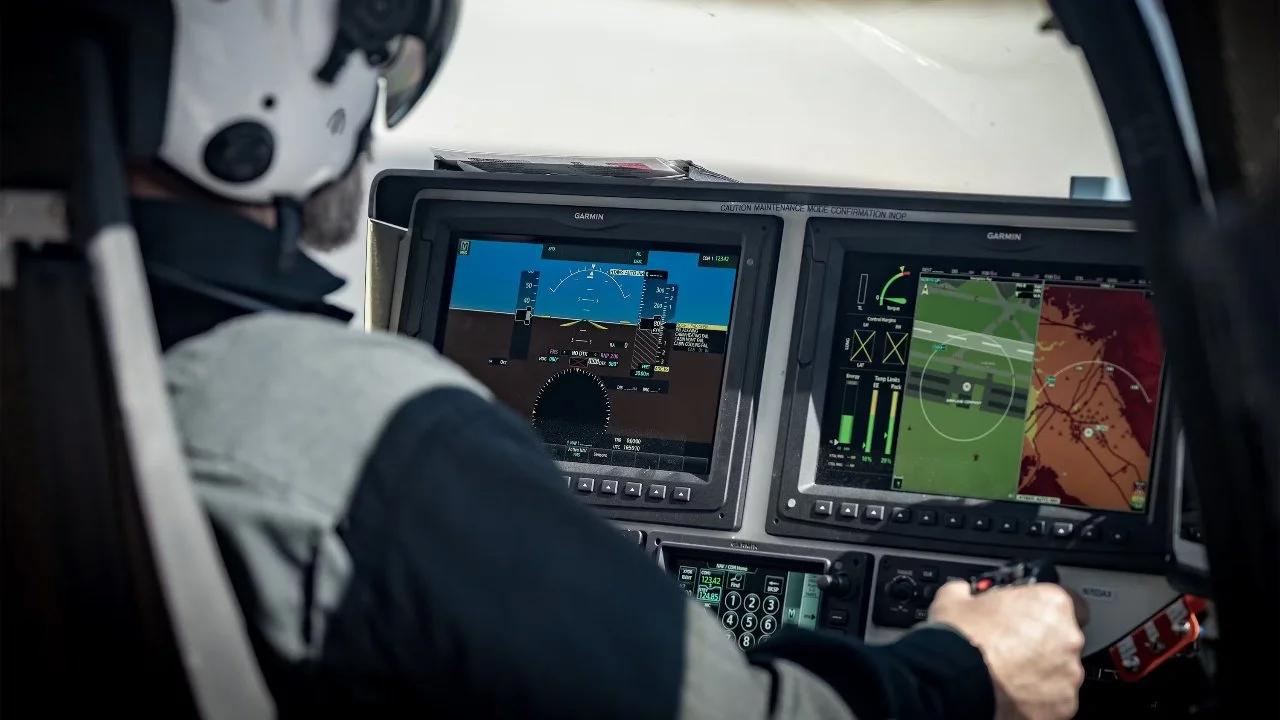
The human factors in aviation accidents dimension of eVTOL cases is distinctive. Pilots transitioning from conventional aircraft to highly automated eVTOL platforms face a fundamentally different operational environment. The skills that make an experienced conventional pilot safe (direct aircraft control, energy management through manual inputs, tactile and visual feedback from control surfaces) do not transfer directly to an aircraft where a flight control computer manages most of the flight envelope.
Mode confusion, automation complacency, and loss of control due to unanticipated handoff between automated and manual control modes are human factors categories that are well-documented in highly automated conventional aviation, but their specific manifestations in eVTOL operations are still being characterized. When an eVTOL accident involves a human pilot, the attorney's task is not simply to ask whether the pilot acted correctly. It is to ask whether the human-automation interface design gave the pilot the information and authority needed to act correctly at the moment it mattered.
Legal Considerations: What Attorneys Need to Evaluate
The first challenge in eVTOL litigation is identifying all potential defendants. The distributed nature of eVTOL systems means that the causal chain in an accident may run through multiple manufacturers and suppliers, and each link in that chain may involve different theories of liability. Product liability, negligence, and breach of warranty claims may apply simultaneously to different parties, and the discovery strategy must be built around obtaining technical records from each of them.
Expert Retention and the Early Advantage
Because the regulatory and technical framework for eVTOL is still developing, the expert you retain in the first sixty days of a case will substantially shape the theory of liability you can support at trial. An expert who understands the FAA's powered-lift certification process, the specific aircraft's certification basis, and the human factors dimensions of highly automated operations can identify the evidentiary gaps early and direct discovery accordingly. Waiting until discovery is nearly complete to retain an aviation expert in an eVTOL case is a structural disadvantage that is difficult to recover from.
Insurance and Indemnification Complexity
The insurance structures for eVTOL operations are not standardized in the way that commercial aviation insurance has become. Operators may carry coverage that does not fully contemplate the product liability exposure created by third-party software and battery systems. Manufacturers may carry coverage structured around the experimental status of the aircraft rather than its commercial use. Understanding who is actually covered, for what, and under what theory is an early legal question that can define the practical scope of recovery.
Preservation of Digital Evidence
eVTOL aircraft generate significant volumes of digital data — flight control system logs, battery management system data, sensor logs, communication logs between the aircraft and ground systems, and maintenance system records. This data is often stored in proprietary formats and subject to retention schedules that may result in its loss if preservation notices are not served promptly. The causal chain in aviation accidents is most clearly established from contemporaneous data, and the digital record in an eVTOL accident is more detailed than in most conventional aviation accidents — but only if it is preserved.
Risk and Margin Analysis in eVTOL Operations
Conventional aviation risk and margin analysis focuses on questions like: Was the aircraft within its certified weight and balance envelope? Was fuel state adequate for the planned route with required reserves? Was the crew current and qualified for the operation? These questions remain relevant in eVTOL cases, but they are joined by new categories of margin analysis that conventional aviation does not require.
Battery state-of-charge margin is operationally analogous to fuel reserve, but the relationship between available energy and available performance in a battery-powered aircraft is affected by temperature, cell age, charge history, and discharge rate in ways that have no direct parallel in fuel management. The distributed propulsion architecture that makes eVTOL aircraft mechanically redundant also means that the failure of individual motors or motor controllers affects performance in ways that require analysis of the specific aircraft's degraded-mode performance envelope. Understanding whether the aircraft and its crew had adequate margin for the operation, and whether that margin was consumed by decisions made before the critical event, is central to causation analysis in these cases.
Key Takeaways for Aviation Attorneys
- eVTOL liability cases require establishing the specific certification basis of the aircraft before any product liability theory can be properly framed. This is not a standard analysis.
- The product liability chain in eVTOL accidents routinely includes software developers, battery system manufacturers, and sensor suppliers who have no analog in conventional aviation litigation.
- Human factors analysis for highly automated eVTOL operations requires expertise in human-automation interaction, not just conventional pilot decision-making.
- Digital evidence preservation must be addressed immediately: eVTOL systems generate detailed logs that are irreplaceable for causation analysis but subject to loss without prompt action.
- The regulatory framework is still developing, and the operational rules that applied at the time of a specific accident may differ from those in effect at the time of litigation.
- Expert retention in eVTOL cases should happen earlier than in conventional aviation cases, because the expert's knowledge of the certification and regulatory framework directly shapes the discovery strategy.
Attorneys Who Wait for the Framework Will Be Building Their Cases Behind It
The liability framework for eVTOL aviation is not absent. It is forming. The FAA is writing certification standards. Operators are building compliance programs. Insurance markets are pricing new risks. And courts will eventually produce decisions that establish doctrine. But the attorneys handling the first wave of eVTOL accident cases are operating ahead of all of that. They are the ones who will set the precedents, establish the discovery standards, and define what expert analysis in these cases looks like.
The core causation question in any eVTOL accident remains unchanged from conventional aviation: what failed, why did it fail, and who bore responsibility for preventing that failure? What is different is how you find the answer. And finding it requires an expert who understands that the operational environment these aircraft fly in was built on regulations, software architectures, and human-automation interfaces that are still being defined.
Expert Analysis for eVTOL and Emerging Aviation Liability Cases
eVTOL accident cases require operational expertise that spans conventional aviation certification knowledge and the new technical and regulatory frameworks governing advanced air mobility: an expert who can evaluate the full chain from design certification to the pilot's final decision.
AeroVerdict provides independent operational analysis and aviation expert witness consulting for attorneys and investigators evaluating causation, liability, and pilot decision-making in complex aviation accident cases.
Request an Expert Case Review
About the Author
Kevin Alvarez
Kevin Alvarez is an ATP-rated Chief Pilot and aviation expert witness with experience in corporate aviation operations, pilot decision-making, FAA compliance, operational risk analysis, and aviation accident investigation. Through AeroVerdict, he provides expert witness and consulting services for attorneys and legal teams.
Full Bio