
The standard attorney vetting process for aviation expert witnesses looks like this: review the CV, confirm relevant experience, check availability. That process will tell you whether an expert is technically qualified. It won't tell you whether that expert can survive cross-examination, produce admissible methodology, or hold up when opposing counsel files a motion to exclude.
Five questions, asked before retention, close that gap. Each one is designed to surface what the CV doesn't show and to give you a defensible basis for the retention decision before your client's case depends on it.
Why Standard Vetting Falls Short in Aviation Cases
Aviation litigation presents a specific challenge: the technical complexity that makes expert testimony valuable is the same complexity that creates exposure if the methodology doesn't hold. Opposing counsel doesn't need to disprove your expert's conclusions to win a Daubert motion. They just need to attack the foundation.
A credential-based vetting process doesn't address foundation. It confirms qualifications. Those are related but not the same thing. An expert who is technically credentialed but has never been tested on methodology, who has only testified for one side, or who produces reports that don't survive scrutiny under Federal Rules of Civil Procedure requirements is a liability, not an asset.
The questions below are structured to surface that exposure before retention. They are also, not coincidentally, the questions opposing counsel will ask if you don't.
Have You Ever Been Excluded Under Daubert or Frye?
Ask for the specific matter and the grounds for exclusion. Both.
A prior exclusion is not automatically disqualifying. Exclusion decisions are fact-specific, courts differ in how they apply Daubert v. Merrell Dow Pharmaceuticals factors, and an exclusion on narrow grounds in one jurisdiction may not be fatal in another. What matters is what the exclusion was for and whether the expert has addressed it since.
An expert who refuses to answer, can't recall the case name, or deflects with a generalized response is telling you something. That information is discoverable. Opposing counsel will find it before you do if you don't ask first. Build it into your retention analysis, not your trial preparation.
A qualified aviation expert witness should be able to discuss prior challenges to their testimony directly, including what was challenged, how the court ruled, and what the methodology implications were. That transparency is a competency signal, not a red flag.
Can I See a Sample Report or Deposition Transcript Before Retention?
This request should not be controversial. If it is, that tells you something.
A sample report reveals how the expert reasons through causation. Do they organize analysis from operational facts to conclusion? Do they cite regulatory standards correctly? Do they produce the kind of pilot decision-making analysis that survives cross, or do they write in the generic register that opposing counsel can systematically dismantle?
A deposition transcript is even more informative. Reading how an expert responds under pressure, including how they handle foundational challenges and whether they maintain methodology precision or retreat to credentialed opinion, is the closest proxy to courtroom performance available before retention.
Both requests are reasonable. Both are professionally standard. An expert who declines either is asking you to commit your client's case to an unknown quantity.

Do You Have Actual Flight Hours in the Specific Aircraft Category Involved?
There is a meaningful difference between having reviewed the Pilot's Operating Handbook and having operated the aircraft under the conditions at issue. Opposing counsel understands this distinction. Make sure you do too, before cross.
Aviation accidents often turn on performance margins: what the aircraft was capable of in those conditions, what the pilot's workload was, what options remained at each decision point. Human factors analysis grounded in actual operational experience carries more weight than analysis derived from document review alone.
This doesn't mean every case requires an expert with type-specific hours. A Part 91 turboprop accident may be well-served by an ATP-rated expert with broad turbine experience and direct familiarity with similar aircraft categories. The question is whether the expert can speak with operational authority about the specific conditions, not whether they have logged a specific tail number.
Ask the question directly. Get a specific answer. Opposing counsel will.
Have You Testified for Both Plaintiff and Defense?
An expert who has only ever testified for one side is easier to impeach. The impeachment framing is straightforward and effective: this expert is an advocate, not an analyst. They follow the check, not the evidence.
An expert who testifies for both plaintiff and defense, and who can articulate why a given retention was consistent with where the evidence led, is substantially harder to attack on credibility. The record itself answers the bias question before it gets asked. From a causation analysis standpoint, this also matters operationally. An expert conditioned to reach a particular type of conclusion will find it, whether the facts support it or not. The expert you want follows the operational analysis. Ask directly whether they have worked both sides, and ask for examples. The answer should be specific.
What Is Your Current Availability, and Are You an Active Pilot with Flight Obligations?
This question matters more than it appears to.
An aviation expert who holds an active ATP certificate and serves as a working Chief Pilot carries scheduling obligations that don't bend to litigation timelines. International rotation schedules, recurrency training windows, simulator events, and trip assignments are not reschedulable on demand. If a deposition date or discovery deadline lands against a mandatory training event, the expert's flight obligations take priority.
That operational commitment is also an indicator of current, credible expertise. But it has to be factored into engagement planning. Ask specifically: what are your flight commitments over the next 90 days, and how do you manage conflicts with litigation timelines? Get a concrete answer, not a general assurance of availability. An expert who is genuinely active in corporate aviation operations will have a clear process for managing this. An expert whose aviation career is largely historical won't face the same scheduling conflicts. But they may also lack the current operational grounding that makes testimony credible on cross.
What a Satisfactory Answer Looks Like
Each question has a range of acceptable answers depending on the expert's background. What matters is specificity, transparency, and consistency with the methodological standards courts apply.
On Daubert history: a satisfactory answer names the matter, describes what was challenged, and explains what the ruling was. An expert who has never been challenged and can explain why, specifically because their reports are structured to address foundation directly, is also giving you useful information.
On sample reports: the report should demonstrate organized investigative methodology, including factual review, regulatory analysis, operational standard comparison, and a causation conclusion that follows from the analysis. It should read like an expert applying a framework, not an advocate building an argument.
On aircraft category experience: operational experience in the same category, under similar conditions and operational pressures, is the target. The expert should be able to describe that experience specifically, covering hours, operations, and relevant conditions, rather than in general terms.
On plaintiff-defense balance: the expert should name matters and describe how the evidence led to the retention, not give a policy statement about being objective. Objectivity is demonstrated through the record, not asserted.
On availability: a specific process for managing conflicts, not a general commitment. Flight department operations and litigation timelines are both demanding. An expert who has operated in both environments has a protocol. Ask to understand it.
The Red Flags That Should Give You Pause
Deflection on Daubert history. Refusal to provide sample reports. Aircraft category experience framed exclusively around document review. A retention history that runs entirely in one direction. Availability responses that are enthusiastic but non-specific.
None of these are automatic disqualifiers. Context matters. But each one warrants a follow-up question, not acceptance of the initial response.
The expert you retain will be examined on all of this. The difference between surfacing these issues now and encountering them during a deposition or in an exclusion motion is the difference between a controlled retention decision and a case-stage crisis.
From an operational standpoint, aviation accident causation analysis requires both technical depth and methodological discipline. The questions above are designed to surface whether an expert has both, before your client's case is the test.
Evaluating an Aviation Expert for a Pending Case?
Independent operational analysis in aviation matters requires both active flight experience and methodology built to withstand Daubert scrutiny. Those two qualifications don't always come together. Knowing what to ask is how you confirm they do.
AeroVerdict provides independent operational analysis and aviation expert witness consulting for attorneys and investigators evaluating causation, liability, and pilot decision-making in complex aviation accident cases.
Request an Expert Case Review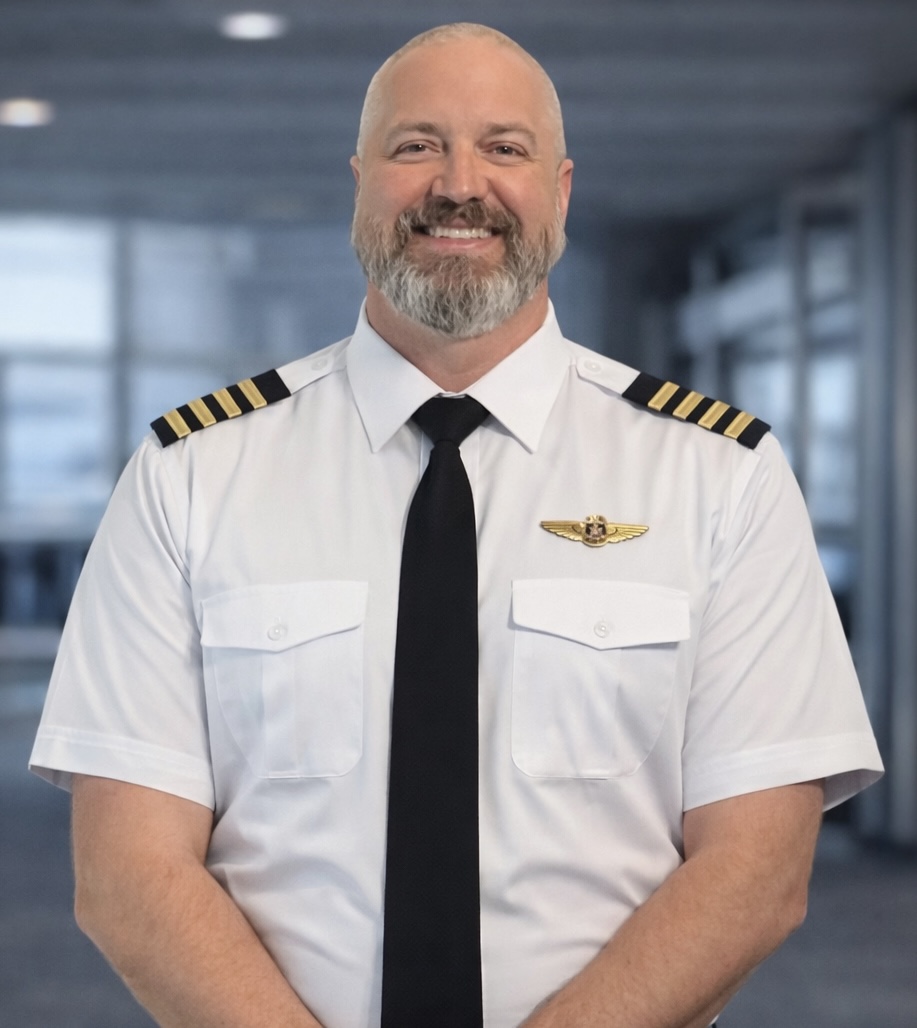
About the Author
Kevin Alvarez
Kevin Alvarez is an ATP-rated Chief Pilot and aviation expert witness with experience in corporate aviation operations, pilot decision-making, FAA compliance, operational risk analysis, and aviation accident investigation. Through AeroVerdict, he provides expert witness and consulting services for attorneys and legal teams.
Full Bio