Aviation accident investigations are structured technical processes designed to determine the facts, conditions, and contributing factors surrounding an occurrence. In the United States, major investigations are often led by the National Transportation Safety Board, while regulatory and compliance issues may also involve the Federal Aviation Regulations and FAA oversight. Most investigations require careful evaluation of aircraft systems, crew decision-making, maintenance history, weather, flight planning, company procedures, and operational context.
For attorneys, insurers, journalists, and aviation professionals, understanding how an investigation works is essential. A credible aviation analysis does not begin with assumptions. It begins with evidence, sequence, and disciplined technical review. That same methodology is central to aviation expert witness work, particularly when the findings of an accident investigation intersect with operational standards, regulatory compliance, or litigation.
The Initial Response and Preservation of Evidence
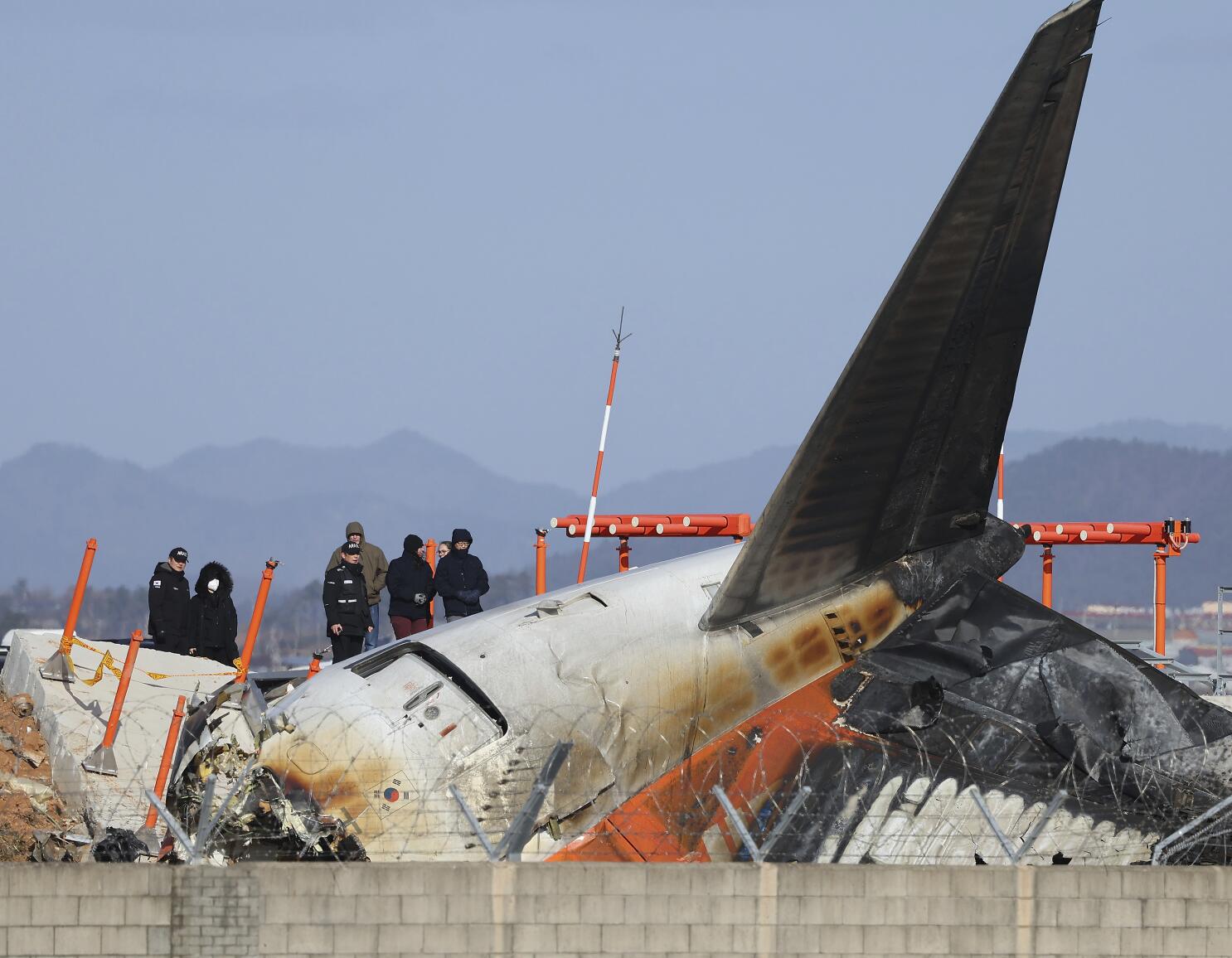
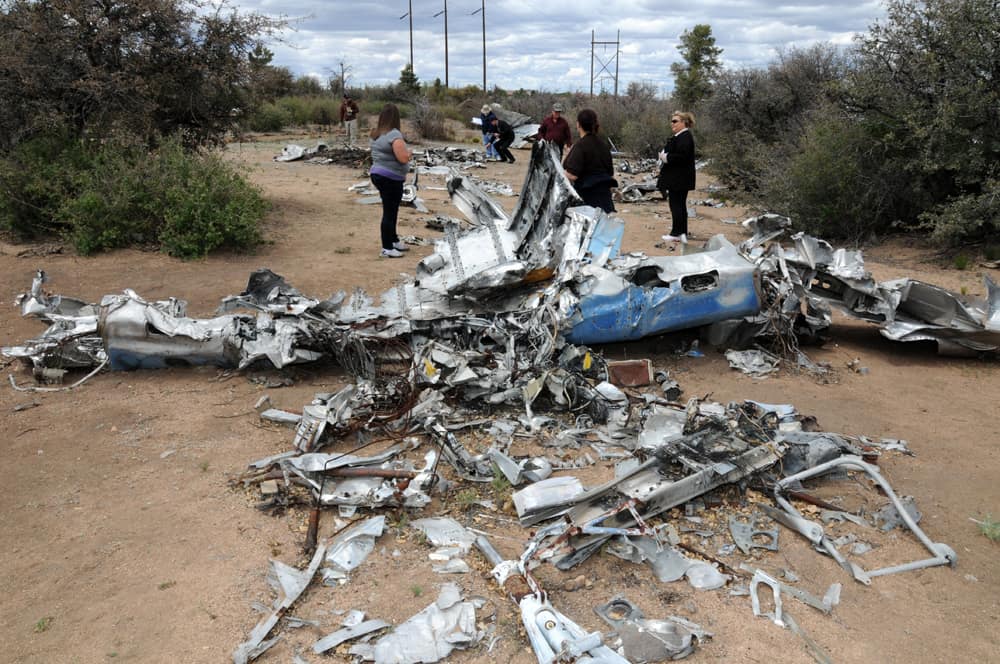
The first stage of an aviation accident investigation focuses on securing the scene and preserving evidence. Investigators document the aircraft's resting position, debris field, impact signatures, fire damage, environmental conditions, and any time-sensitive evidence that may degrade quickly. Photographs, measurements, witness statements, and site mapping all help establish the physical sequence of the event.
This phase is especially important because the accident site often reveals whether the aircraft impacted the ground under control, whether structural breakup occurred in flight, or whether post-impact damage could obscure the original failure sequence. In some cases, evidence at the scene immediately points investigators toward issues involving terrain clearance, loss of control, runway excursion, or system malfunction.
Records Review and Reconstruction of the Flight
Once the scene is documented, investigators begin reconstructing the flight. This usually involves reviewing dispatch records, flight plans, maintenance logs, pilot training files, aircraft inspections, weather information, air traffic communications, and available digital flight data. In business aviation and other complex operations, company manuals, standard operating procedures, and safety management processes may also become highly relevant.
Investigators are not simply collecting documents. They are testing the alignment between what should have happened operationally and what actually occurred. A maintenance discrepancy may be technically significant only if it was improperly deferred, inaccurately recorded, or operationally misunderstood. Similarly, a weather briefing may appear routine until it is compared against the route, aircraft capability, and decisions made in the cockpit.
This is where broad operational experience becomes valuable. Records must be interpreted in the context of real-world aviation operations, including crew workload, aircraft limitations, procedural discipline, and the operational culture surrounding the flight. This same type of analysis is central to aviation accident investigation services and broader FAA regulatory compliance assessments.
Pilot Decision-Making and Human Factors Analysis
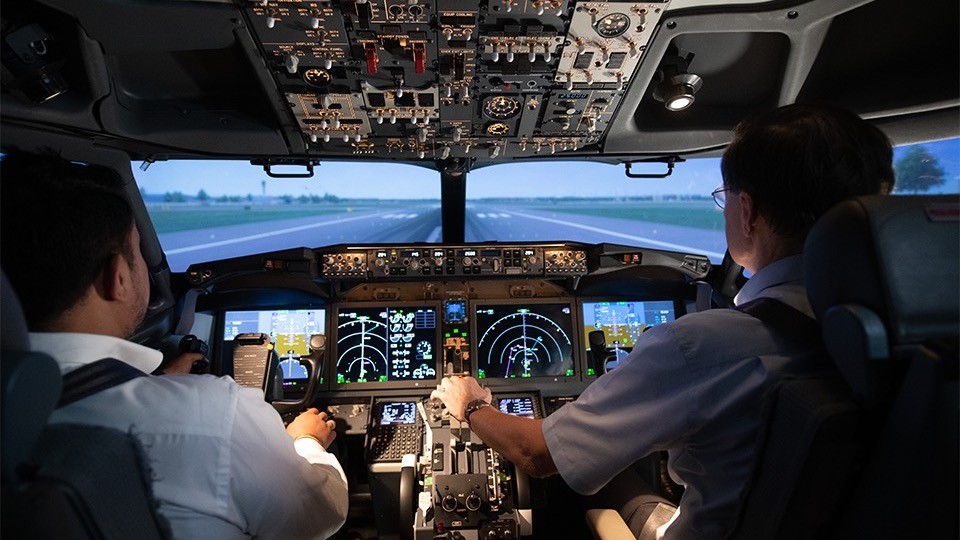
Human performance is a major component of many aviation investigations. That does not mean blame is assigned automatically to a flight crew. Rather, investigators study how information was received, interpreted, prioritized, and acted on under operational conditions. Questions often include whether the crew recognized a developing threat, whether cockpit workload became excessive, whether standard procedures were followed, and whether training adequately prepared the crew for the situation encountered.
Pilot decision-making must be analyzed within context. Weather, fatigue, time pressure, automation management, airport familiarity, company expectations, and aircraft performance all affect how decisions are made. In corporate aviation, these factors can be even more nuanced because flights may involve high-tempo schedules, variable destinations, international operations, and passenger-driven changes that increase complexity.
That is why a meaningful human factors review requires both technical discipline and operational realism. It should reflect how professional crews actually manage risk, not how decisions appear in hindsight. The relationship between human factors, decision chains, and accident causation is examined in depth in human factors in aviation accidents and in analyses of pilot decision-making in aviation.
Aircraft Systems, Organizational Factors, and Final Findings
Many investigations also require examination of engines, avionics, flight controls, warning systems, and other aircraft components. In some events, specialized teardown and laboratory analysis are needed to determine whether a part failed before impact or was damaged during the accident sequence. For turbine aircraft and business aviation operations, system integration and maintenance practices may be just as important as the condition of any single component.
Investigators may also examine organizational factors. These include training programs, maintenance control procedures, operational oversight, hazard reporting, dispatch support, and management expectations. The investigation may extend beyond the aircraft and crew to the broader system in which the flight was conducted. This is particularly relevant in corporate aviation safety management, where risk is influenced by both formal procedures and day-to-day operating culture.
The final product of an aviation accident investigation is not just a summary of damage. It is a structured explanation of the event sequence, causal and contributing factors, and the operational lessons that can be drawn from the evidence. For legal matters, the distinction between cause, contributing conditions, and standard-of-care issues is especially important.
Conclusion
Aviation accident investigations are disciplined technical inquiries, not quick judgments. They rely on evidence preservation, records review, operational reconstruction, systems analysis, and human factors evaluation to determine what happened and why. For attorneys, investigators, and aviation professionals, understanding that process is essential to separating speculation from defensible conclusions.
When an aviation event leads to litigation, regulatory review, or public scrutiny, the value of experienced operational analysis becomes clear. The most useful aviation expert opinions are those that explain complex issues accurately, clearly, and within the context of how aircraft are actually operated.
Need Aviation Expert Analysis?
If you are evaluating an aviation matter involving accident causation, pilot decision-making, FAA compliance, or operational risk, AeroVerdict provides expert aviation analysis for attorneys and legal teams.
Request an Expert Case Review
About the Author
Kevin Alvarez
Kevin Alvarez is an ATP-rated Chief Pilot and aviation expert witness with experience in corporate aviation operations, pilot decision-making, FAA compliance, and aviation accident analysis. Through AeroVerdict, he provides expert witness and consulting services for attorneys and legal teams.
Full Bio