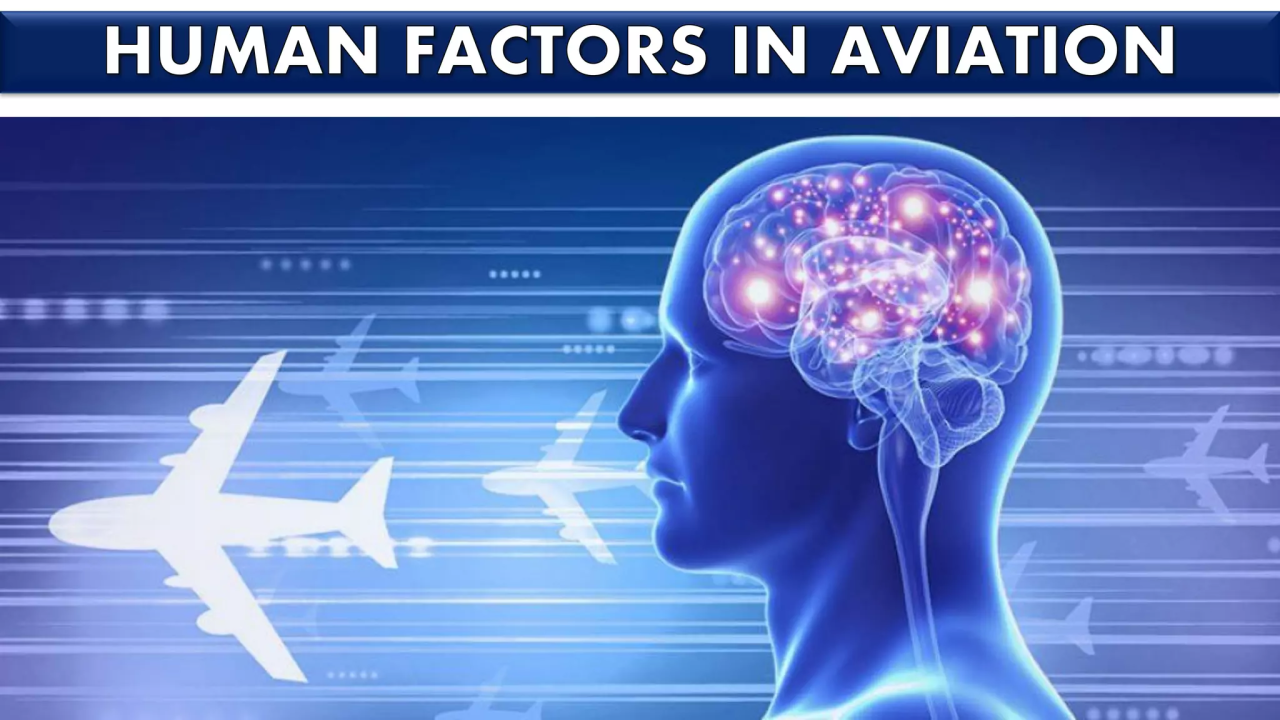
In aviation accident analysis, the phrase human factors refers to the way people interact with aircraft systems, procedures, environments, and operational pressures. It is a broad concept, but in practice it often comes down to judgment, workload management, communication, fatigue, training, and organizational culture. In both private and corporate aviation, these issues can become central when investigators and attorneys attempt to understand why an accident occurred.
Human factors do not suggest that an accident was caused by simple carelessness. In many cases, the pilot involved may have been experienced, qualified, and acting within a demanding operational context. What matters is how performance was affected by time pressure, incomplete information, cockpit distractions, weather, automation management, and the cumulative effect of small decisions. This is one reason human performance analysis is so important in aviation accident investigation and in litigation involving aviation events.
The relationship between human factors and how pilots reach poor outcomes through accumulated small decisions is examined in depth in our core analysis of pilot decision-making in aviation accidents.
Why Human Factors Matter in Aviation Safety
Aviation systems are designed with layers of redundancy, procedures, and oversight. Even so, accidents still occur because aviation remains a human-centered activity. Pilots must interpret weather, manage aircraft energy, monitor automation, communicate with air traffic control, brief approaches, and adapt to changing conditions in real time. A breakdown in any one of those areas can increase risk, but a combination of breakdowns is what often leads to an actual event.
From a safety perspective, human factors analysis helps explain why otherwise capable crews make decisions that appear questionable in hindsight. From a legal perspective, it helps distinguish between an isolated error and a broader operational problem involving training, supervision, policies, or company culture. That distinction is especially important in cases involving business aircraft, charter operations, or flight departments where procedures and management oversight are central to evaluating liability.
Workload, Fatigue, and Situational Awareness
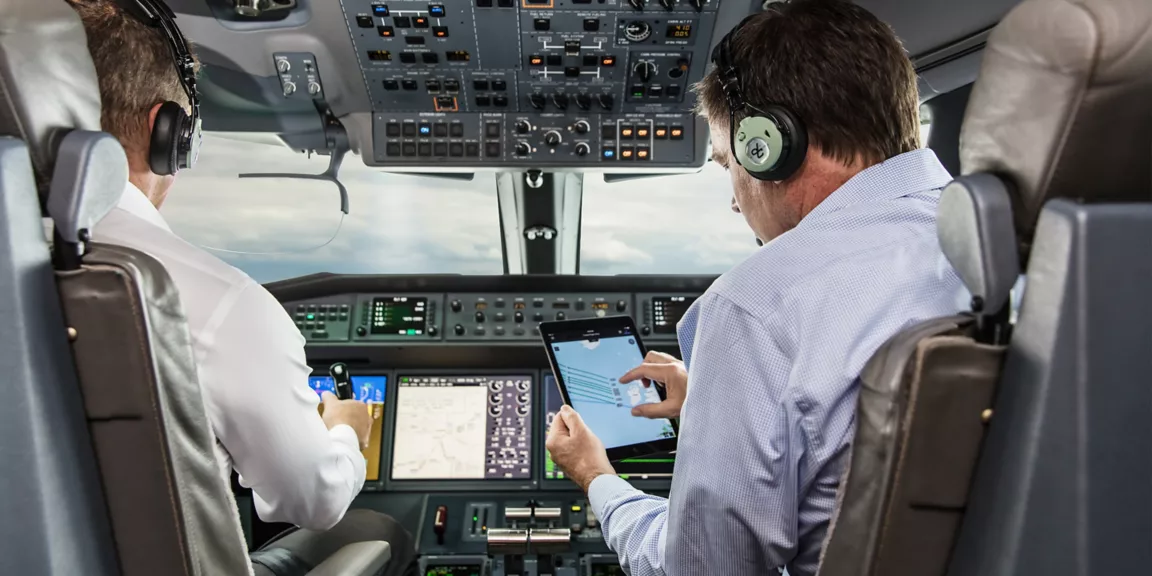
One of the most common human factors issues in aviation accidents is excessive workload. This is particularly evident during high-demand phases of flight such as departure, approach, missed approach, abnormal procedures, and weather deviations. When workload exceeds the crew's capacity to process information effectively, situational awareness begins to degrade. Altitude trends, fuel status, aircraft configuration, and navigation cues can be missed even in technically sophisticated aircraft.
Fatigue can further degrade performance by slowing reaction time, reducing attention, and impairing judgment. In corporate aviation, irregular schedules, long duty periods, international operations, and early show times can create fatigue risk even when crews remain technically legal. That is one reason strong corporate aviation safety programs focus not only on compliance, but also on practical risk management.
Situational awareness is also affected by communication quality. In some accidents, relevant information was available but was not effectively shared among pilots, dispatch personnel, maintenance personnel, or company leadership. This is where operating discipline, standard callouts, and crew resource management become critical safeguards.
Decision-Making and Flight Planning
Pilot decision-making is one of the most closely examined areas in accident investigation. Decisions involving weather launch, fuel reserves, alternate planning, runway selection, approach continuation, and go/no-go judgment are often central to the sequence of events. Poor outcomes are not always the result of reckless decision-making. They often stem from plan continuation bias, overconfidence in experience, incomplete threat assessment, or gradual normalization of risk that accumulated over multiple prior flights.
Flight planning is therefore not just administrative preparation. It is a human performance barrier. A well-conducted preflight review helps identify threats early, establish decision points, and reduce exposure to rushed choices later in the mission. That principle is directly related to the issues discussed in how aviation accidents actually happen and in analyses of the most common causes of private aircraft accidents.
For additional regulatory context, investigators and legal teams may also review applicable operational rules through the Electronic Code of Federal Regulations, especially where duty, equipment, training, or procedural compliance may be relevant.
Training, Standardization, and Safety Culture
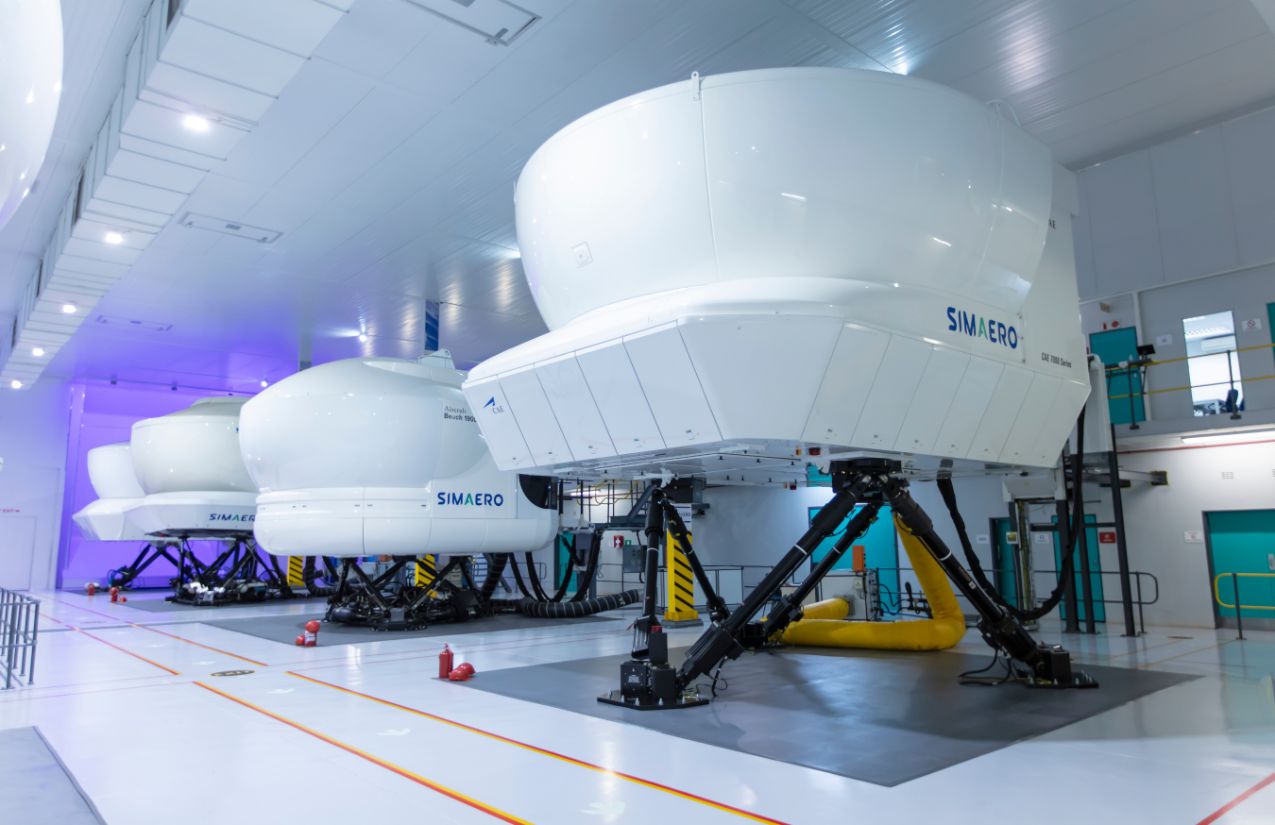
Human factors issues are not limited to what happens in the cockpit on the day of the accident. Many are rooted in the training environment and organizational culture that existed beforehand. If standard operating procedures are vague, checklist discipline is inconsistent, or deviations are informally tolerated, the likelihood of error increases over time.
In corporate aviation, strong departments usually emphasize standardization, recurrent training, stabilized procedures, and a reporting culture that allows operational concerns to be addressed before they become accident factors. Industry organizations such as the National Business Aviation Association have long emphasized these themes because disciplined systems reduce dependence on individual improvisation.
When those systems are weak, accident analysis often reveals that the final event was only the last link in a longer chain. That is also why understanding how aviation accident investigations work is essential for attorneys and claims professionals evaluating operational responsibility.
Human Factors in Accident Investigation
In a formal investigation, human factors analysis is rarely based on a single statement or isolated error. Investigators typically review training records, standard operating procedures, maintenance history, communications, weather information, cockpit indications, operational timelines, and available performance data. The objective is to understand what information the crew had, what pressures existed, what options were available, and how the operational environment shaped the outcome.
Resources from the National Transportation Safety Board are frequently relevant when reviewing accident causation, probable cause findings, and safety recommendations. However, in litigation and consulting work, the deeper question is often whether the event reflected an isolated pilot error or a broader breakdown in training, oversight, operational controls, or risk assessment.
Conclusion
Human factors remain one of the most important areas in aviation safety because they sit at the intersection of people, procedures, and operational realities. Aircraft technology continues to improve, but safe outcomes still depend on disciplined decision-making, effective training, workload management, strong communication, and sound organizational systems.
A credible analysis of human factors does not rely on hindsight alone. It requires operational experience, knowledge of aviation procedures, and the ability to assess what a crew reasonably perceived and managed in real time. That is what makes human performance analysis so significant in both aviation safety work and aviation expert witness matters.
Need Aviation Expert Analysis?
If you are evaluating an aviation matter involving human factors, pilot decision-making, FAA compliance, or accident causation, AeroVerdict provides expert aviation analysis for attorneys and legal teams.
Request an Expert Case Review
About the Author
Kevin Alvarez
Kevin Alvarez is an ATP-rated Chief Pilot and aviation expert witness with experience in corporate aviation operations, pilot decision-making, FAA compliance, and aviation accident analysis. Through AeroVerdict, he provides expert witness and consulting services for attorneys and legal teams.
Full Bio