Introduction to the Accident
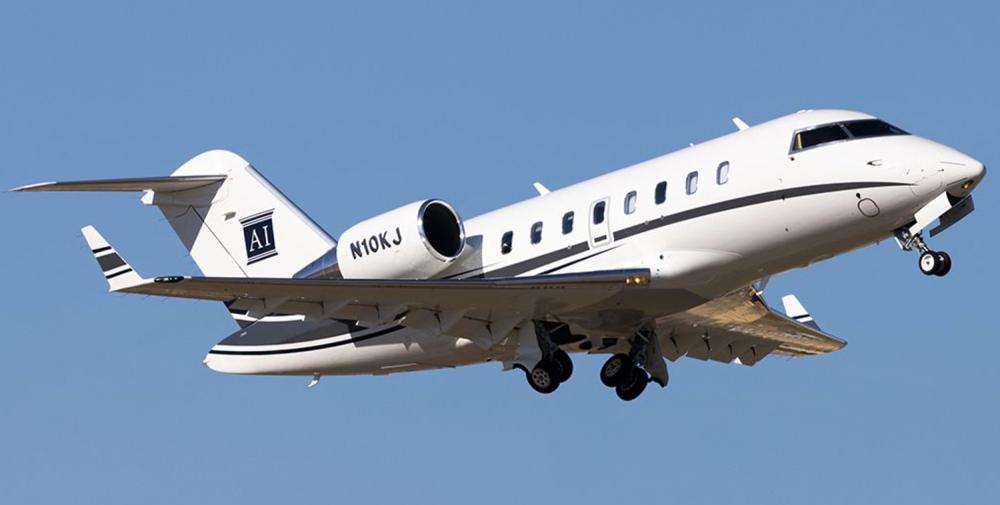
On January 25, 2026, a Bombardier Challenger 650 business jet, registration N10KJ, crashed shortly after takeoff from runway 33 at Bangor International Airport in Bangor, Maine. The aircraft was operating on a transatlantic flight with a planned stop in Bangor for refueling before continuing to Europe.
According to the preliminary investigation conducted by the National Transportation Safety Board (NTSB), the aircraft departed the runway at approximately 19:44 local time and experienced a loss of control immediately after liftoff. All six occupants on board were fatally injured.
At the time of publication, the investigation remains ongoing. The NTSB has not issued a probable cause determination. However, several operational factors documented in the preliminary report provide important insight into the conditions surrounding the accident.
Understanding these factors requires examining aircraft performance, ground deicing procedures, pilot decision-making, and winter weather operations: elements that frequently play a central role in aviation accident investigations. The broader pattern of multiple operational factors combining before a final event is examined in our core analysis of how aviation accidents actually happen.
Overview of the Aircraft and Operation
The accident aircraft was a Bombardier CL-600-2B16 Challenger 650, a large-cabin business jet widely used in corporate aviation operations. The aircraft was manufactured in 2020 and powered by two General Electric CF34-3B turbofan engines. The Challenger 650 is designed for long-range business travel and is capable of transcontinental and transatlantic operations.
The accident flight was conducted under Part 91 regulations as a private business operation. Unlike airline operations under Part 121, Part 91 operations rely heavily on the flight crew and operator to manage operational risk factors such as weather, aircraft preparation, and winter contamination hazards. Corporate flight departments often manage these risks through structured safety management processes similar to those described in corporate aviation safety and flight department risk management.
Flight Timeline and Known Facts
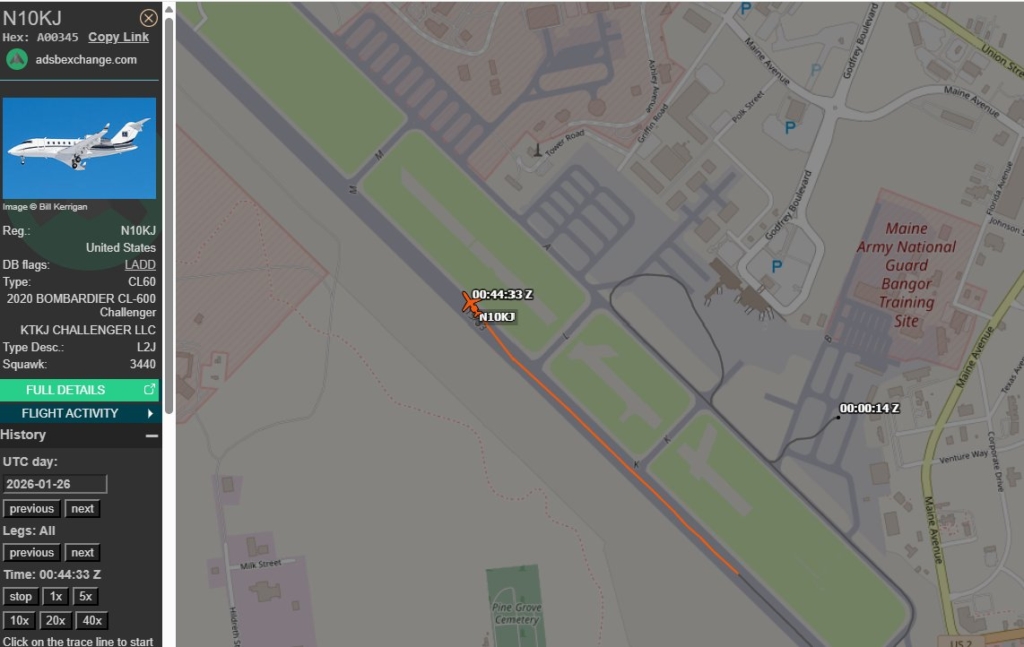
The flight originated earlier in the day from Houston, Texas, and landed in Bangor at approximately 18:09 local time. The stop at Bangor was planned as a refueling point before continuing across the Atlantic.
Following refueling, the aircraft taxied to a deicing pad where ground crews applied Type I deicing fluid followed by Type IV anti-icing fluid. According to available records, the deicing process began around 19:19 and the anti-icing application began around 19:27.
After completing the ground deicing process, the aircraft taxied to runway 33 and was cleared for departure. The aircraft lifted off shortly after 19:44.
Flight data recorder information indicates that shortly after liftoff the aircraft experienced stall warnings and rapidly rolled to the right. The aircraft reached a steep bank angle before impacting the runway environment.
Weather and Environmental Conditions
Weather conditions at Bangor at the time of the accident included light snow, nighttime instrument meteorological conditions, and a surface temperature of approximately −16°C. Visibility was reported at approximately three-quarters of a mile with an overcast ceiling. These conditions required instrument flight procedures and also created a high-risk environment for aircraft ground contamination.
Cold temperatures combined with falling snow require strict adherence to aircraft deicing procedures. Even small amounts of snow or ice contamination on lifting surfaces can significantly degrade aerodynamic performance. These environmental conditions are directly relevant to the human factors and decision-making that occurred during ground operations.
Operational Considerations: Deicing and Holdover Time
One of the key operational factors documented in the preliminary investigation involves the aircraft's ground deicing and anti-icing process. After refueling, the aircraft underwent a two-step deicing process consisting of:
- Type I fluid application for removal of existing contamination
- Type IV anti-icing fluid to prevent new contamination during taxi
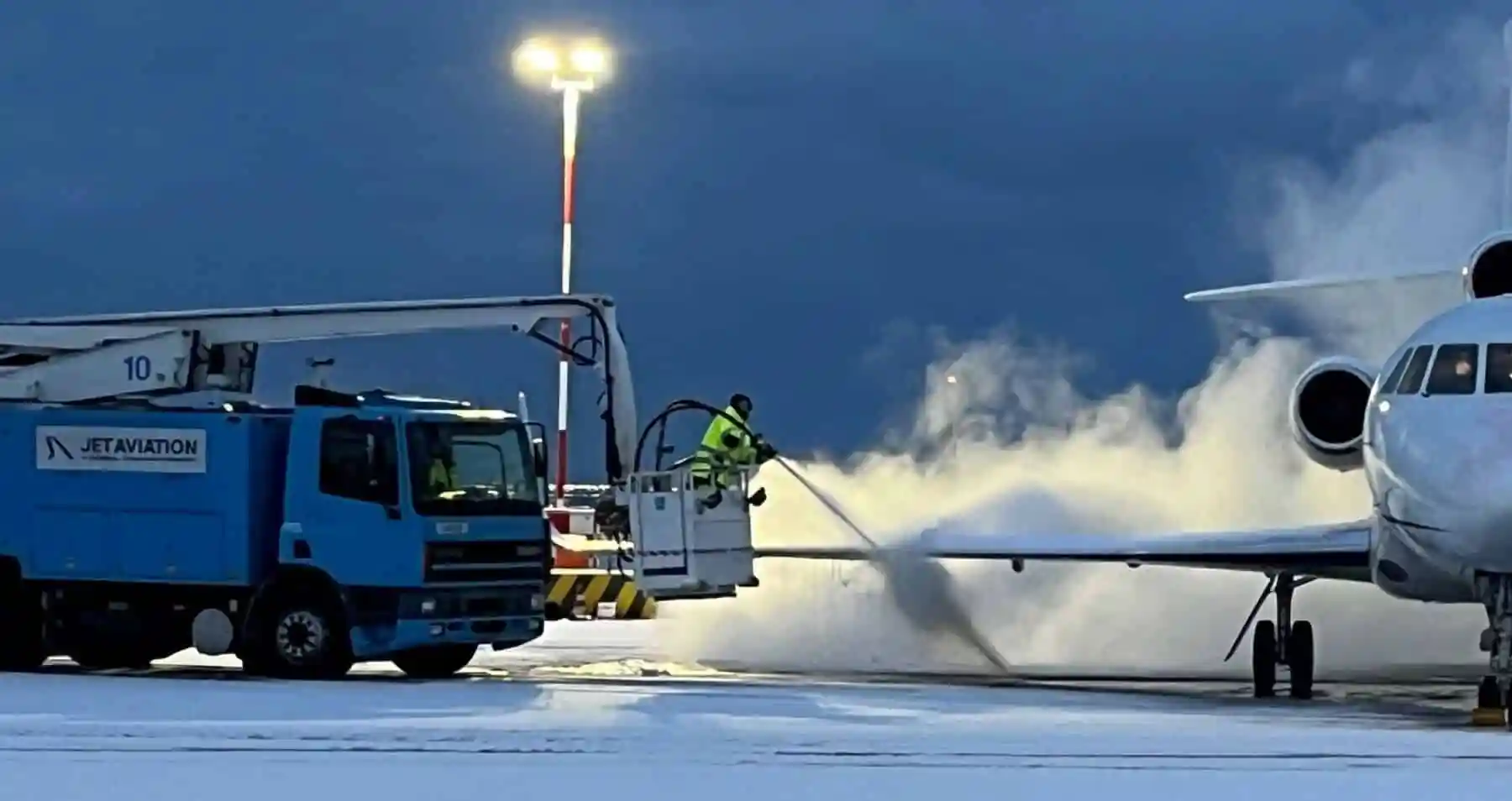
Under winter operations guidance published by the Federal Aviation Administration, anti-icing fluids have defined holdover times: the estimated period that the fluid will prevent contamination accumulation on critical aircraft surfaces. In snow conditions with temperatures near −16°C, holdover times for Type IV fluids can be relatively short. If the aircraft does not depart within the specified holdover window, additional deicing procedures may be required.
Investigators are likely examining whether the aircraft departed within the applicable holdover time window and whether contamination could have accumulated on the wings prior to takeoff.
Aircraft Performance and Aerodynamic Factors
Aircraft performance during takeoff is highly sensitive to wing contamination. Even thin layers of frost or snow can disrupt airflow across the wing surface and increase stall speed. Loss of lift at low altitude during the takeoff phase leaves little opportunity for recovery.
Flight recorder data indicates that stick shaker warnings occurred shortly after liftoff, suggesting that the aircraft may have approached a stall condition almost immediately after becoming airborne. At very low altitude, aerodynamic stalls combined with asymmetric lift can rapidly lead to loss of control. The combination of contaminated lifting surfaces, high aircraft weight for a transatlantic departure, and nighttime conditions leaves little margin for error.
Human Factors and Pilot Decision-Making
Human factors are an essential component of aviation accident analysis. In winter operations, pilots must balance several operational variables simultaneously:
- Weather conditions and rate of change
- Aircraft contamination risk
- Holdover time limitations
- Taxi delays and runway availability
These decisions often occur during complex ground operations when multiple tasks are competing for attention. Situational awareness and crew coordination play an important role in ensuring that contamination risks are properly managed before departure. Additional discussion of these operational dynamics can be found in pilot decision-making in aviation accidents.
What Investigators Will Analyze
As the investigation continues, several areas will likely receive detailed examination:
- Aircraft wing contamination and fluid effectiveness
- Holdover time calculations and procedures
- Flight crew training and winter operations procedures
- Aircraft performance data from the flight recorder
- Air traffic control communications
- Ground deicing procedures and documentation
- Maintenance records and aircraft systems
Operational Lessons
The N10KJ accident highlights several operational risk factors common in winter aviation operations:
- Ground icing and contamination hazards in extreme cold
- Short holdover time windows with active precipitation
- Complex operational decision-making during taxi and departure
- The aerodynamic sensitivity of swept-wing aircraft to surface contamination
These factors are consistent with patterns discussed in the most common causes of private aircraft accidents, where multiple operational elements align to reduce available safety margins.
Conclusion
The crash of N10KJ at Bangor International Airport represents a complex aviation accident involving winter weather operations, aircraft performance considerations, and human decision-making. While the NTSB investigation remains ongoing and a probable cause determination has not yet been issued, the preliminary information highlights how operational factors during ground preparation and takeoff can influence accident outcomes.
Understanding these operational elements is essential for aviation professionals, investigators, and attorneys involved in aviation accident analysis. For more on the investigative process, see our overview of how aviation accident investigations work.
Need Aviation Expert Analysis?
If you are evaluating an aviation matter involving accident causation, winter operations, pilot decision-making, or operational risk, AeroVerdict provides expert aviation analysis for attorneys and legal teams.
Request an Expert Case Review
About the Author
Kevin Alvarez
Kevin Alvarez is an ATP-rated Chief Pilot and aviation expert witness with experience in corporate aviation operations, pilot decision-making, FAA compliance, and aviation accident analysis. Through AeroVerdict, he provides expert witness and consulting services for attorneys and legal teams.
Full Bio