
Most attorneys handling aviation cases have heard of flight data recorders. Fewer understand what the data actually captures, what it cannot tell you on its own, and where the line is between the NTSB's analysis and independent expert testimony. That line matters in court.
What an FDR Actually Records
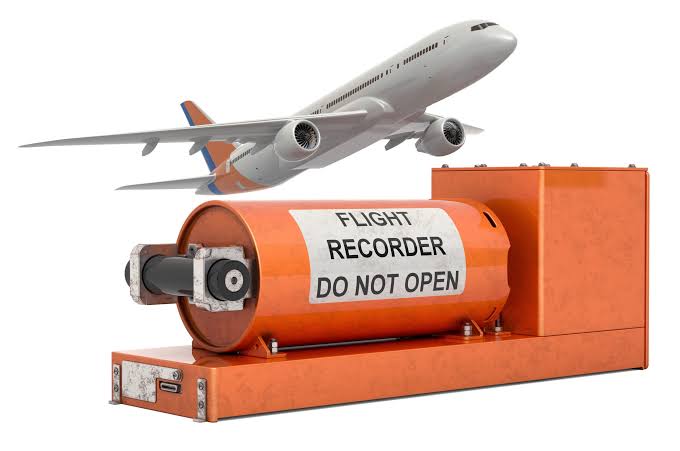
A flight data recorder captures aircraft parameters simultaneously, every second of flight. Airspeed, altitude, vertical speed, heading, pitch and roll attitude, engine thrust, control surface positions, autopilot status, landing gear position, flap position, stick shaker activation. On modern business jets, you are looking at 88 parameters minimum required by the FAA. Many record significantly more.
The data shows what the aircraft actually did and what control inputs were being made at each moment in the sequence. Not what the crew intended to do. What the aircraft did.
That distinction is significant. A crew might testify that they applied full rudder at a certain point in the takeoff roll. The FDR shows the actual rudder deflection angle at that moment and how quickly it was applied. Those two things are not always the same.
What Is in the NTSB Docket and What Is Not
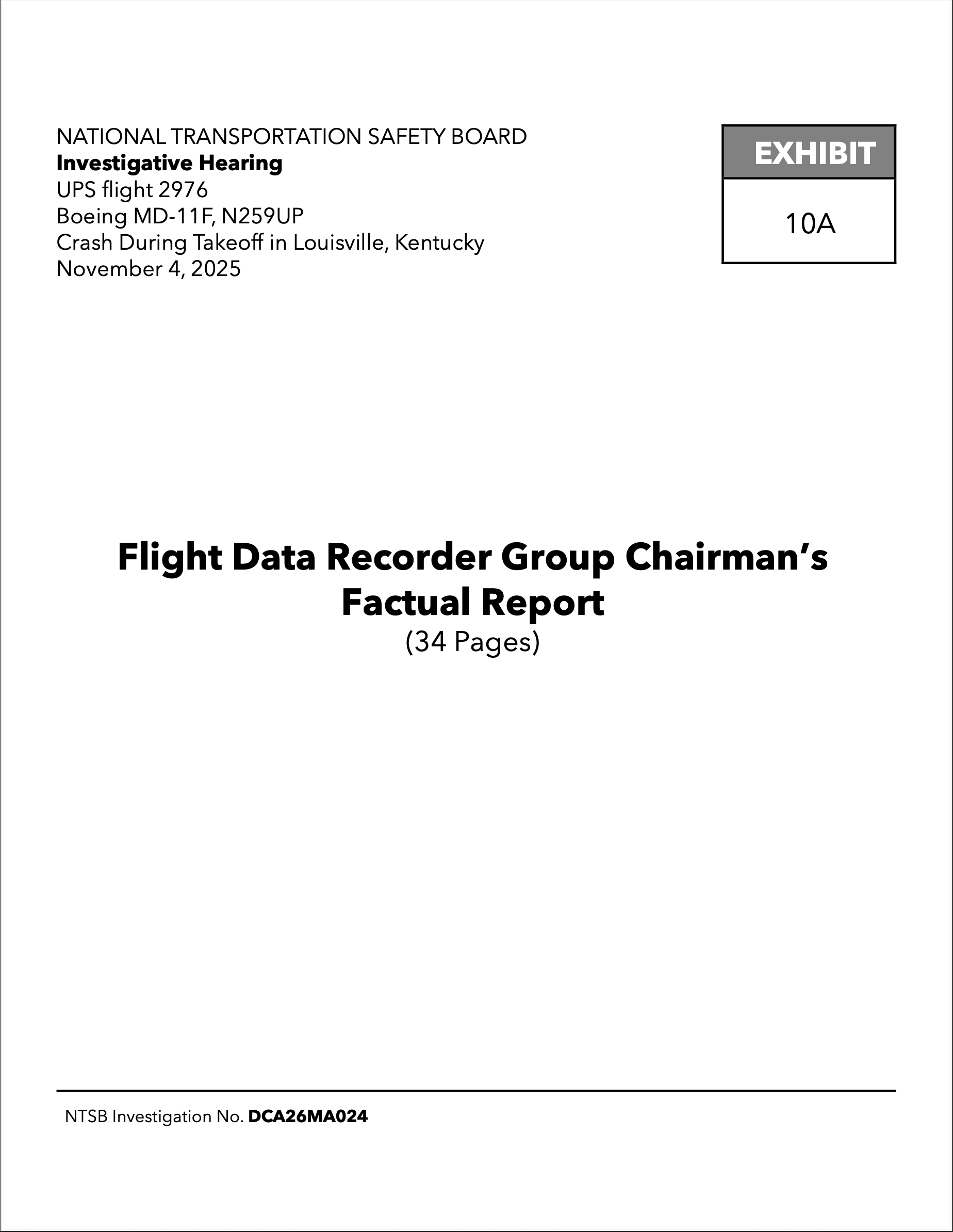
The NTSB publishes an FDR specialist's factual report as part of the public investigative docket. That report contains the processed parameter data, sampling rates, and data quality assessment. In many cases it also includes an aircraft performance study reconstructing the flight path based on the FDR data. These documents are available at ntsb.gov and they are admissible.
The raw data file, the unprocessed download from the recorder, is a separate matter. In some cases independent expert analysis requires working from the raw data rather than the processed report. That requires a specific request and in some jurisdictions a court order. Know that going in before discovery closes.
Where Independent Expert Analysis Begins
The NTSB specialist's work product goes into the factual docket. An independent expert witness takes that processed data and develops separate litigation opinions: opinions that can be defended under cross-examination, traced back to specific factual predicates, and structured to satisfy the Daubert reliability factors.
The FDR record is the starting point, not the conclusion. In accident cases involving corporate or charter operations, that data tells you what happened. Understanding why it happened (what the crew was facing, what the applicable standard of care required, and what a competent operator would have done differently) is what expert analysis provides. An opinion that can be fully evaluated, tested against the evidence, and traced from factual premise to conclusion is the kind of opinion that holds up before trial and survives challenge. That is what Daubert-defensible FDR analysis looks like in practice.
If You Have a Matter Where FDR Evidence Is in Play
The data is available. The NTSB factual docket is the starting point. What it requires is someone who can read it operationally, not just technically, and explain what it means for your case.
If you have an aviation matter where flight data evidence is a question, reach out directly. Conflict check within four hours. Response within 24.
FDR Evidence in Your Case?
AeroVerdict provides independent operational analysis and aviation expert witness consulting for attorneys evaluating causation, liability, and pilot decision-making where flight data recorder evidence is in play.
Conflict check within four hours. Response within 24.
Contact AeroVerdict
About the Author
Kevin Alvarez
Kevin Alvarez is an ATP-rated Chief Pilot and aviation expert witness with experience in corporate aviation operations, pilot decision-making, FAA compliance, operational risk analysis, and aviation accident investigation. Through AeroVerdict, he provides expert witness and consulting services for attorneys and legal teams.
Full Bio