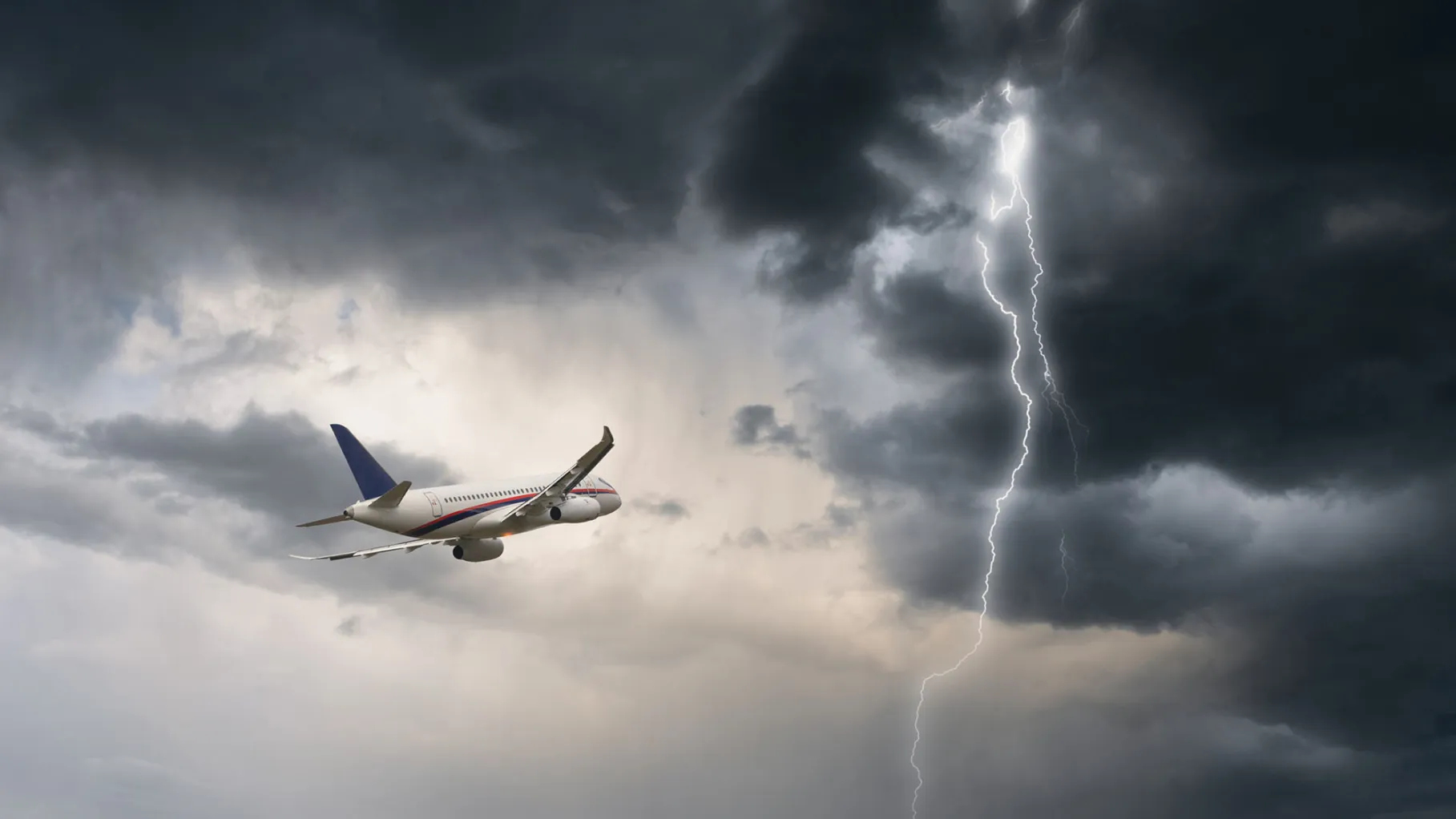
Weather is a contributing factor in a significant portion of general and business aviation accidents each year. Yet weather-related accidents are rarely caused by weather alone. They develop through a sequence of planning decisions, information gaps, judgment calls, and real-time choices that could have redirected the flight. For attorneys evaluating aviation cases with a weather dimension, understanding how that sequence unfolds is often essential to determining what happened and who bears responsibility.
This article focuses specifically on weather as an accident contributor, with attention to how operational decisions shape risk. The broader legal framework for weather analysis in litigation is covered in weather decision-making for aviation attorneys.
How Weather Becomes an Accident Factor
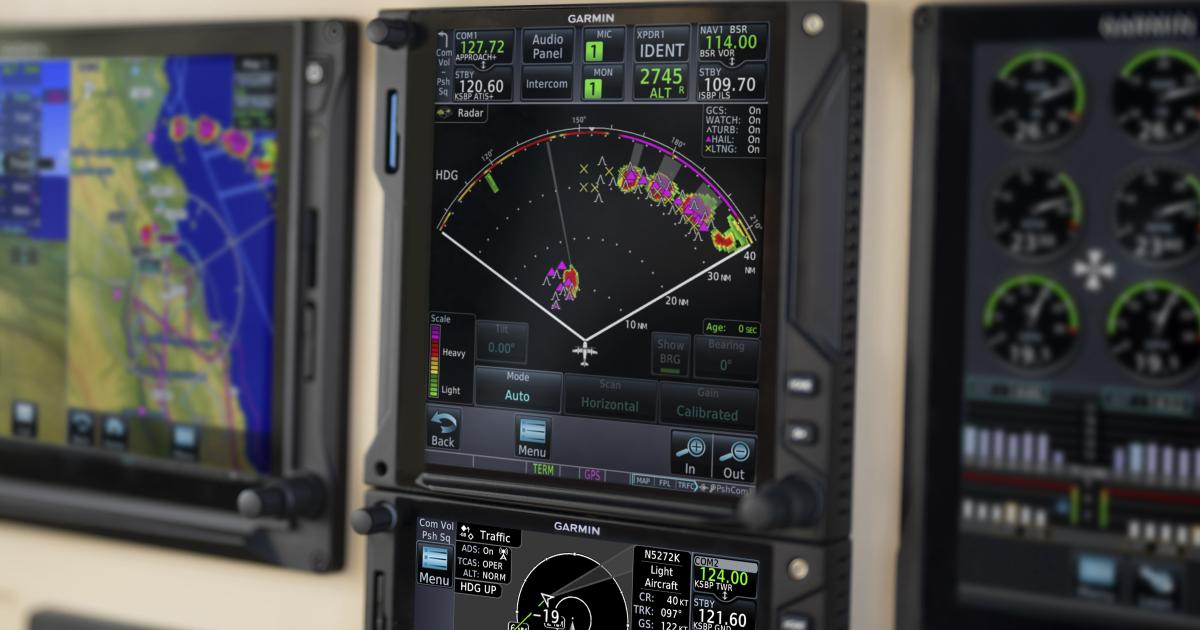
Weather contributes to aviation accidents in several distinct ways. One of the most common is inadequate preflight planning. A pilot may review weather products that are technically available but fail to synthesize the information into an accurate picture of what the flight will actually encounter. This might involve underestimating the extent of IMC along a route, overlooking forecast convective development, misinterpreting icing forecast products, or failing to establish meaningful alternates and decision points before departure.
Another common pattern is the failure to update a weather assessment during the flight. Conditions change. A launch that was legally and operationally sound at departure may become significantly more demanding as conditions evolve. Pilots who fail to monitor weather updates, obtain updated ATC advisories, or revise their routing in response to reported hazards are operating with outdated situational awareness.
These issues connect directly to the human factors in aviation accidents, particularly the effect of workload, distraction, and task saturation on real-time weather management. Weather decisions rarely occur in isolation. They occur during other phases of flight that already consume attention.
VFR into IMC: One of the Most Preventable Accident Categories
Inadvertent VFR flight into instrument meteorological conditions remains one of the most frequently cited categories in general and business aviation accident analysis. The pattern is consistent: a pilot operating under visual flight rules encounters deteriorating visibility or cloud conditions, continues rather than diverting, and loses visual reference. Spatial disorientation and loss of control often follow within minutes.
These accidents are especially relevant in litigation because they raise clear questions about preflight decision-making, instrument proficiency, and the quality of weather assessment before departure. Many VFR-into-IMC events occur because a pilot launched under marginal conditions with insufficient alternates, no clear abort criteria, and inadequate instrument currency to handle the actual conditions encountered.
In corporate aviation, these accidents are less common because IFR operations are standard practice, but weather judgment remains important. Inadequate alternate planning, disregard for forecast icing, and continuation into convective weather are all weather-related patterns that appear in business aviation accident records.
Icing Encounters and Structural Hazards

Structural icing represents a distinct weather hazard in aviation operations. Even light ice accumulation can increase aircraft weight, reduce lift, and alter stall characteristics. In severe icing conditions, ice accumulation can overwhelm aircraft deicing and anti-icing systems, leading to rapid performance degradation.
Accident analysis involving icing typically examines whether the aircraft was certified and equipped for known icing conditions, whether forecast products adequately identified the hazard, whether the pilot obtained and responded to pilot reports of icing, and whether flight into known icing conditions was operationally justified. These questions become directly relevant to causation when icing contributes to a loss of control, engine anomaly, or abnormal stall behavior during approach.
The relationship between structural icing, ground deicing limitations, and accident causation is also illustrated in our analysis of the N10KJ crash in Bangor, Maine, where holdover time and wing contamination are among the factors under examination.
Weather and Go/No-Go Decision-Making
The most important weather decision in many flights occurs before the aircraft leaves the ground. A disciplined go/no-go process considers not only whether the flight is technically legal, but whether the operational margins are sufficient to absorb realistic adverse conditions. That distinction, between legal and operationally sound, often becomes a central issue in weather-related accident litigation.
Attorneys evaluating weather-related accidents benefit from understanding what a qualified pilot should have known or should have considered before departure. That may include reviewing actual and forecast METARs, TAFs, SIGMETs, pilot reports, and forecast icing products. It may also involve evaluating whether the pilot obtained a proper weather briefing, whether the information was interpreted correctly, and whether the operational plan accounted for realistic contingencies.
Weather-related go/no-go decisions are one of the most examined areas in pilot decision-making analysis and frequently shape the causation evaluation in cases that reach litigation. Additional weather decision-making frameworks relevant to expert review are covered in weather decision-making for aviation attorneys.
Conclusion
Weather becomes an aviation accident factor through a chain of decisions, not a single event. Preflight planning quality, real-time weather monitoring, go/no-go judgment, and pilot response to deteriorating conditions all shape the outcome. For attorneys evaluating aviation matters with a weather dimension, understanding how that chain forms is essential to building a credible causation analysis.
Expert review of weather-related aviation accidents requires operational experience, familiarity with aviation weather products, and the ability to evaluate pilot decisions in the context of what was known and knowable at the time. That analysis is what distinguishes hindsight from sound operational judgment. And it is what makes aviation expert review most useful in litigation.
Need Aviation Expert Analysis?
If you are evaluating an aviation matter involving weather decision-making, flight risk assessment, icing, or accident causation, AeroVerdict provides expert aviation analysis for attorneys and legal teams.
Request an Expert Case Review
About the Author
Kevin Alvarez
Kevin Alvarez is an ATP-rated Chief Pilot and aviation expert witness with experience in corporate aviation operations, pilot decision-making, FAA compliance, and aviation accident analysis. Through AeroVerdict, he provides expert witness and consulting services for attorneys and legal teams.
Full Bio