Aviation expert witnesses are retained in cases involving accidents, operational failures, regulatory violations, and pilot decision-making. But the role extends far beyond offering a general opinion in deposition. Understanding what an aviation expert witness actually does, and what separates a defensible expert from one who fails under Daubert scrutiny, is information attorneys need before the first phone call, not after the first challenge.
The distinction matters in practice. An aviation expert who can describe what happened is not necessarily an expert who can explain why it happened within the context of applicable regulations, operational standards, and industry practice. Courts evaluate both. Attorneys who treat these as the same question often discover the difference only when the opinion is challenged.
What an Aviation Expert Witness Does
Operational Analysis, Not Just Accident Description
An aviation expert witness conducts operational analysis: the process of evaluating the decisions made before, during, and immediately after an aviation accident against the standards that applied at the time. That includes applicable Federal Aviation Regulations, the aircraft's Approved Flight Manual, the operator's General Operations Manual or Operations Specifications, and relevant industry safety standards.
The analysis does not begin with the accident. It begins with the operation: the flight department culture, the crew's training records, the dispatch environment, the weather decision-making process, and the maintenance history. An accurate operational analysis works backward from the accident to identify the decision points where conduct deviated from applicable standards. That deviation is where liability lives.
What the Expert Witness Role Requires at Trial
Under Rule 702 of the Federal Rules of Evidence, an expert witness must be qualified by knowledge, skill, experience, training, or education. That foundation must be paired with a reliable methodology and an opinion that fits the facts of the case. Courts applying the Daubert standard evaluate whether the expert's reasoning and methodology are scientifically valid and can be applied to the facts at hand.
In aviation cases, this means the expert's methodology must be articulable before the case is filed, not constructed after deposition begins. An expert who develops opinion methodology as the case develops is a Daubert challenge waiting to happen. Attorneys evaluating aviation experts should ask to see the methodology framework before retention: and should treat a missing or vague answer as disqualifying information.

The Different Types of Aviation Expert Witnesses
Operational Experts vs. Accident Reconstructionists
Aviation accident analysis and aviation accident reconstruction are different disciplines, and not every aviation expert performs both. A reconstructionist focuses on what physically happened: flight path, airspeed, impact sequence. An operational expert focuses on the decisions that led to the accident: whether the crew acted within applicable standards, whether the operator maintained a compliant safety culture, and whether the accident was a foreseeable consequence of documented operational failures.
Most aviation litigation requires operational analysis, not reconstruction. Attorneys who retain only a reconstructionist may have the physics of the accident explained at trial without having the liability nexus established. The analysis that changes case value is usually operational, not mechanical.
Part 91, Part 135, and Part 121 Expertise Are Not Interchangeable
An expert with an airline background may lack the operational experience to analyze a corporate flight department accident under Part 91 or a charter operation under Part 135. The regulatory frameworks differ. The operational cultures differ. The applicable standards differ. Retaining a Part 121 expert for a Part 91 corporate aviation case is a mismatch that opposing counsel will identify and exploit.
Before retaining any aviation expert, confirm that the expert's active operational experience matches the certificate and operation type at issue in the case. Flight hours alone do not resolve this question.
What Aviation Expert Witnesses Evaluate
Regulatory Compliance and Deviation
Aviation expert witnesses evaluate whether the conduct of pilots, flight crews, dispatchers, mechanics, and operators conformed to applicable FAA regulations. The Federal Aviation Regulations establish minimum standards. Expert analysis identifies where conduct fell below those standards and, importantly, whether that deviation was a contributing cause of the accident.
Pilot Decision-Making and Human Factors
Aviation accidents rarely result from a single decision. They result from a chain of decisions, each of which had an alternative that a reasonably prudent pilot or operator should have chosen. Expert analysis of pilot decision-making reconstructs that decision chain, applies the applicable standard of care, and identifies the points at which different choices would have changed the outcome.
Human factors analysis extends this work by examining the environmental, organizational, and physiological conditions that shaped pilot behavior. Fatigue, workload, crew resource management failures, and inadequate training all belong in the operational analysis of a complex accident. For a deeper look at this dimension of analysis, see human factors in aviation accidents.
Operational Records and Documentation
Aviation accidents generate a substantial documentary record through the NTSB investigation process. That record includes flight data recorder information, cockpit voice recorder transcripts, air traffic control communications, maintenance logs, training records, weight and balance documentation, and meteorological data. Expert analysis applies operational experience to translate that record into a coherent account of what happened operationally and why. For an overview of this process, see how aviation accident investigations work.
How to Evaluate an Aviation Expert Witness Before Retention
Request the Methodology Framework
Any aviation expert who can survive a Daubert challenge has a methodology framework that exists before the case begins. It describes how the expert identifies applicable regulatory standards, maps them to the specific facts of an accident, and arrives at an opinion. Request this document before signing any retention agreement. An expert who cannot produce it, or who tells you it develops as the case develops, is presenting a significant litigation risk.
Review a Sample Report
Sample expert reports are available before retention in most professional expert practices. A sample report demonstrates the quality of analysis, the clarity of writing, and the structure of opinion: all of which matter when the report reaches opposing counsel and the court. Attorneys who evaluate sample reports before retention make better-informed decisions and experience fewer surprises after the case is filed.
Confirm Operational Currency and Certificate Match
An aviation expert who is actively flying brings current operational experience to the analysis: knowledge of current ATC procedures, current weather decision-making standards, and current cockpit technology. A retired expert may bring depth of experience but may not have navigated the operational environment that produced the accident. For corporate and charter cases in particular, an expert with current Part 91 or Part 135 operational experience is better positioned to explain operational decisions to a jury. See also corporate aviation safety and flight department risk management.
Conclusion
An aviation expert witness does more than offer an opinion about what happened. The role requires operational analysis grounded in applicable regulatory standards, a defensible and pre-existing methodology, active expertise in the relevant certificate category, and the ability to translate complex operational concepts into clear, reliable testimony. Attorneys who understand what the role requires, and who evaluate experts against that standard before retention, are better positioned to present technically sound cases and withstand the scrutiny that aviation litigation invariably attracts.
For additional analysis on the investigative framework, see how aviation accident investigations work and the AeroVerdict article library.
Evaluate an Aviation Expert Witness Before Your Next Retention
The methodology framework is available before any retention agreement. Sample reports are sent to attorneys who request them, no commitment required.
AeroVerdict provides independent operational analysis and aviation expert witness consulting for attorneys and investigators evaluating causation, liability, and pilot decision-making in complex aviation accident cases.
Review available expert witness services or explore additional analysis in the AeroVerdict article library.
About the Author
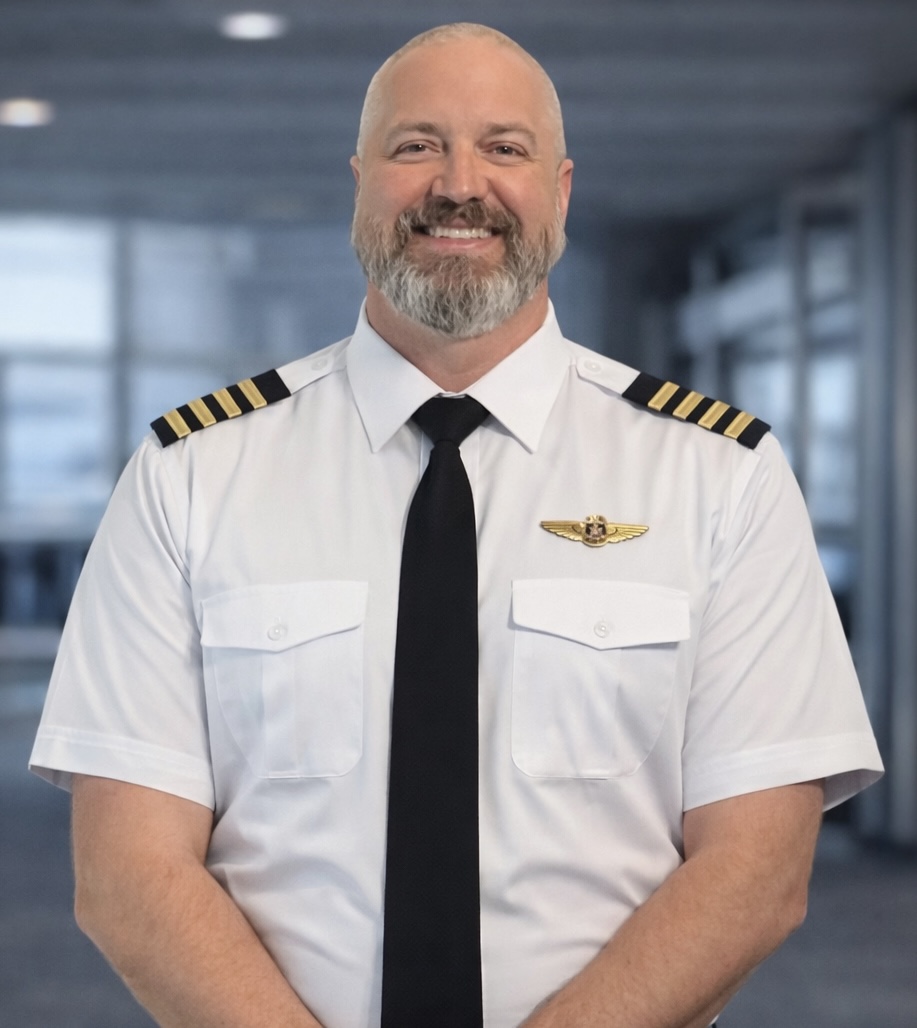
Kevin Alvarez
Kevin Alvarez is an ATP-rated Chief Pilot and aviation expert witness with experience in corporate aviation operations, pilot decision-making, FAA compliance, operational risk analysis, and aviation accident investigation. His analysis focuses on the operational and human factors dimensions of aviation accidents, providing attorneys and investigators with technically grounded, operationally accurate expert review.
Full Bio