
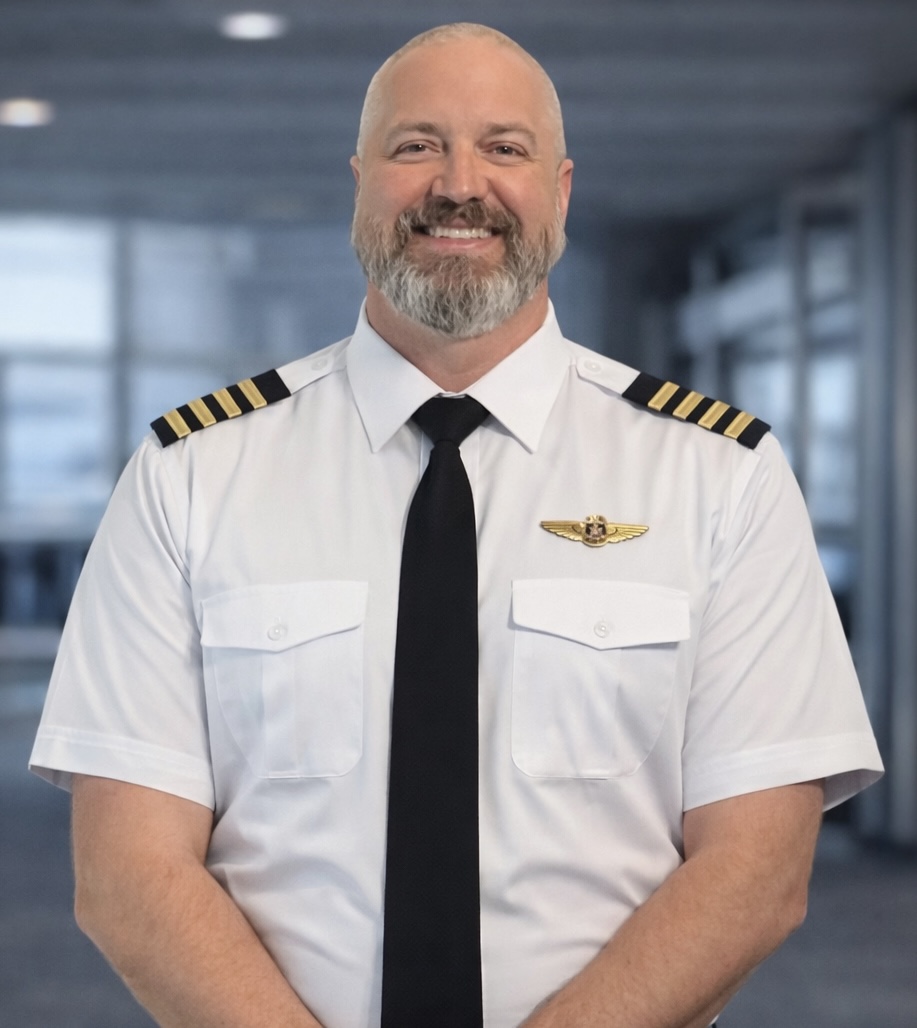
When a corporate aircraft is involved in an accident, attention naturally goes first to the crew. That is the right place to start. But the crew operated inside a system, and in a Part 91 corporate flight department, much of that system is designed, maintained, and supervised by the Chief Pilot. I have served as Chief Pilot of a Part 91 corporate flight department in Tampa, Florida since 2009, and that role shapes how I read the operational record in my work as an aviation expert witness. This article explains what the position typically involves, where the safeguards it controls tend to show up in an accident record, and what questions that record should answer. Whether any of it supports a legal claim against management personnel is a matter for counsel.
What the Chief Pilot Actually Does
Part 91 does not define the position. Unlike a Part 135 certificate holder, which must have management personnel, including a Director of Operations and a Chief Pilot, as required by 14 CFR 119.69, who meet the qualifications in 14 CFR 119.71, a corporate flight department operating under Part 91 creates the role on its own terms. That flexibility is why the title means very different things from one company to the next. In a two-pilot department, the Chief Pilot may also be the scheduler, the safety officer, and the person who calls the maintenance shop. In a larger department, the role may sit under a Director of Aviation with clearer lines of authority. The differences between the two regulatory frameworks are discussed on the Part 91 and Part 135 Operations page.
In practice, the responsibilities tend to fall into a few areas. Standard operating procedures define how the department flies the aircraft: callouts, briefings, stabilized approach criteria, duty limits, and personal and company minimums. Training oversight covers who attends recurrent training, how often, at which provider, and how the department confirms proficiency between events. Operational risk management includes the tools and habits used to evaluate each trip for weather, aircraft performance, crew readiness, and airspace. And operational control means deciding who can approve a trip, who can cancel one, and how disagreements between the crew and the passengers or the company are resolved.
Why the Regulatory Minimum Is Not the Benchmark
Part 91 places primary responsibility on the pilot in command. 14 CFR 91.3 makes the PIC the final authority as to the operation of the aircraft, and 14 CFR 91.103 requires preflight familiarity with all available information about the flight. Large airplanes and turbojet-powered multiengine airplanes add the requirements of Part 91 Subpart F, including 91.503 on flying equipment and operating information. Beyond that, Part 91 says relatively little about how a corporate department should be organized.
Professional corporate operators fill that gap voluntarily. Many build safety management systems modeled on 14 CFR Part 5 and AC 120-92D, even though Part 5 does not apply to most Part 91 operations. Many register with the International Standard for Business Aircraft Operations (IS-BAO), which builds on a documented SMS and staged audits of the operator's practices. Others follow the guidance in AC 120-71B for SOP design and AC 120-51E for crew resource management. None of that is required of a Part 91 department, and that is exactly why it matters when it is present. An organization that writes its own standard has defined the benchmark against which its own operations can be compared.
Where Leadership Appears in the Record
Consider a common pattern in corporate accidents. A two-pilot crew departs late in the day after a long duty period, with passengers waiting and weather forecast to deteriorate at the destination. The crew briefs an approach to minimums, continues past the point where the approach is no longer stabilized, and the aircraft lands long on a wet runway. The NTSB's findings will focus on the crew's actions in the final sequence, and that is appropriate. The operational review then asks what the department put in place before that day.
The answers come from documents. The operations manual shows whether the company had stabilized approach criteria and a no-fault go-around policy. Duty and rest records show whether the department set its own limits, because Part 91 sets no flight duty or rest limits for most corporate flying. The exception is fractional ownership programs, which must follow the flight, duty, and rest rules in 14 CFR 91.1057 through 91.1062. Training records show whether the crew had practiced the scenario. Risk assessment forms, if the department used them, show whether the trip was flagged and who reviewed it. Communications between the crew, the scheduler, and the passengers show whether anyone felt pressure to complete the trip. Taken together, these records show whether the crew operated within a structure that supported a conservative decision, or one that left them to resist commercial pressure on their own.
The point is not to move responsibility away from the crew. The pilot in command remains the final authority. The point is that a complete operational analysis follows the decisions back through the organization, because safeguards that exist on paper and safeguards that function in practice are not the same thing. Training issues in particular are covered more fully on the Pilot Training and the Standard of Care page, and crew coordination issues on the Crew Resource Management page.
Questions the Operational Record Should Answer
Chief Pilot: Procedures and Oversight. Did the department have written SOPs appropriate to the aircraft and mission, and were they current? How did the Chief Pilot confirm that crews actually followed them on the line, rather than only in the simulator?
Chief Pilot: Risk Management and Operational Control. Was there a defined process for evaluating trip risk, and who had authority to cancel or delay a flight? Were past concerns, deviations, or near misses documented and acted on?
Company Management: Support for the Safety Function. Did the company give the Chief Pilot the authority, staffing, and budget to enforce the standards it adopted? Were passengers and principals informed that the crew's operational decisions were final?
These questions apply equally whether the department is a single aircraft with two pilots or a multi-aircraft operation with a full safety program. The scale differs. The underlying expectations do not.
Bottom Line
The Chief Pilot rarely appears in the probable cause statement, but the Chief Pilot's decisions are often embedded throughout the record. An honest operational review examines the crew's conduct first, then the procedures, training, and oversight that shaped it, and reports what the evidence shows about each without overstating either.
Discuss a Flight Department Matter
If you are evaluating a matter involving a corporate flight department, its leadership, or its safety practices, I am available for an initial conversation and conflict check. More information is on the Expert Witness Services page.